Nothing matters more in an off-grid setup than safe drinking water. You can rig solar panels, grow food, and build shelter, but if your water supply makes you sick, none of it works. The challenge is that no single purification method handles every threat equally. A backpacker in the Rockies, a homesteader with a shallow well, and a family on a rainwater system all face different risks. According to the World Health Organization, at least 2 billion people globally use a drinking water source contaminated with faeces, and waterborne diarrhea kills roughly 485,000 each year. Those numbers drive home why picking the right treatment matters.
In this article we rank the five most common water purification methods that off-grid households, campers, and emergency preppers rely on: boiling, chemical disinfection, UV treatment, filtration, and distillation. We measure each one against the microbial removal standards set by the EPA and CDC, and we look hard at real-world off-grid factors like fuel supply, power needs, and how quickly you can produce a gallon of safe water. By the end you will know which method fits your source water, your gear, and your lifestyle, and why a combination approach often wins. If you haven’t tested your water recently, start with a reliable water testing guide before you commit to any treatment.
| Method | How It Works | Microbial Effectiveness | Off-Grid Rating | Best Use Case |
|---|---|---|---|---|
| Boiling | Heat kills pathogens at 100°C | >6-log reduction all classes | 9/10 if fuel is abundant | Emergency disinfection, small volumes |
| Filtration | Physical straining + adsorption | 6-log bacteria, 4-log viruses (certified) | 9/10 with gravity systems | Daily drinking, base camp, whole house |
| UV Purification | UV-C light damages DNA/RNA | 4-log with clear water | 7/10, needs power & clear water | Backpacking, secondary disinfection |
| Chemical (Chlorine/Iodine) | Oxidation of cell structures | 3-4 log bacteria/viruses, weak vs. crypto | 6/10, lightweight backup | Emergency kits, rural well shock |
| Distillation | Vaporization then condensation | Complete removal of all microbes | 4/10, high energy, slow | Seawater conversion, heavy metal removal |
Why Is Boiling the Most Reliable Emergency Method?
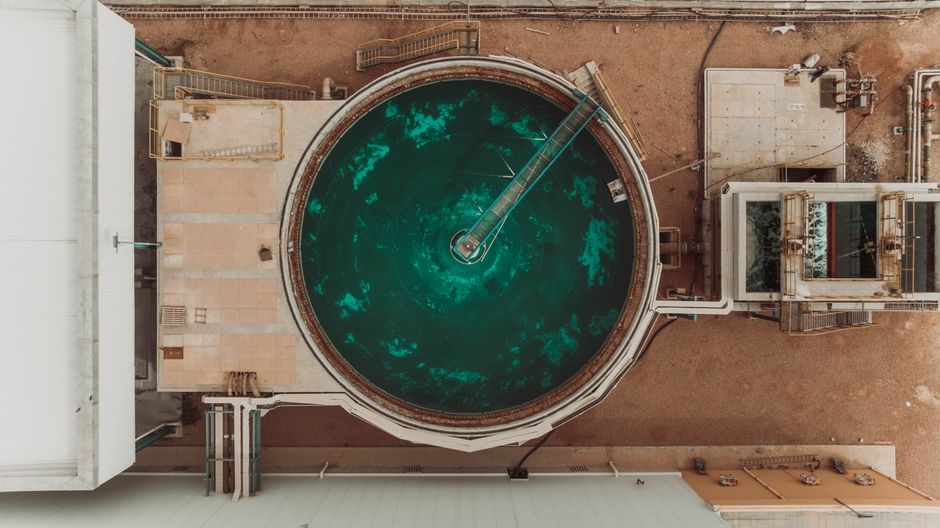
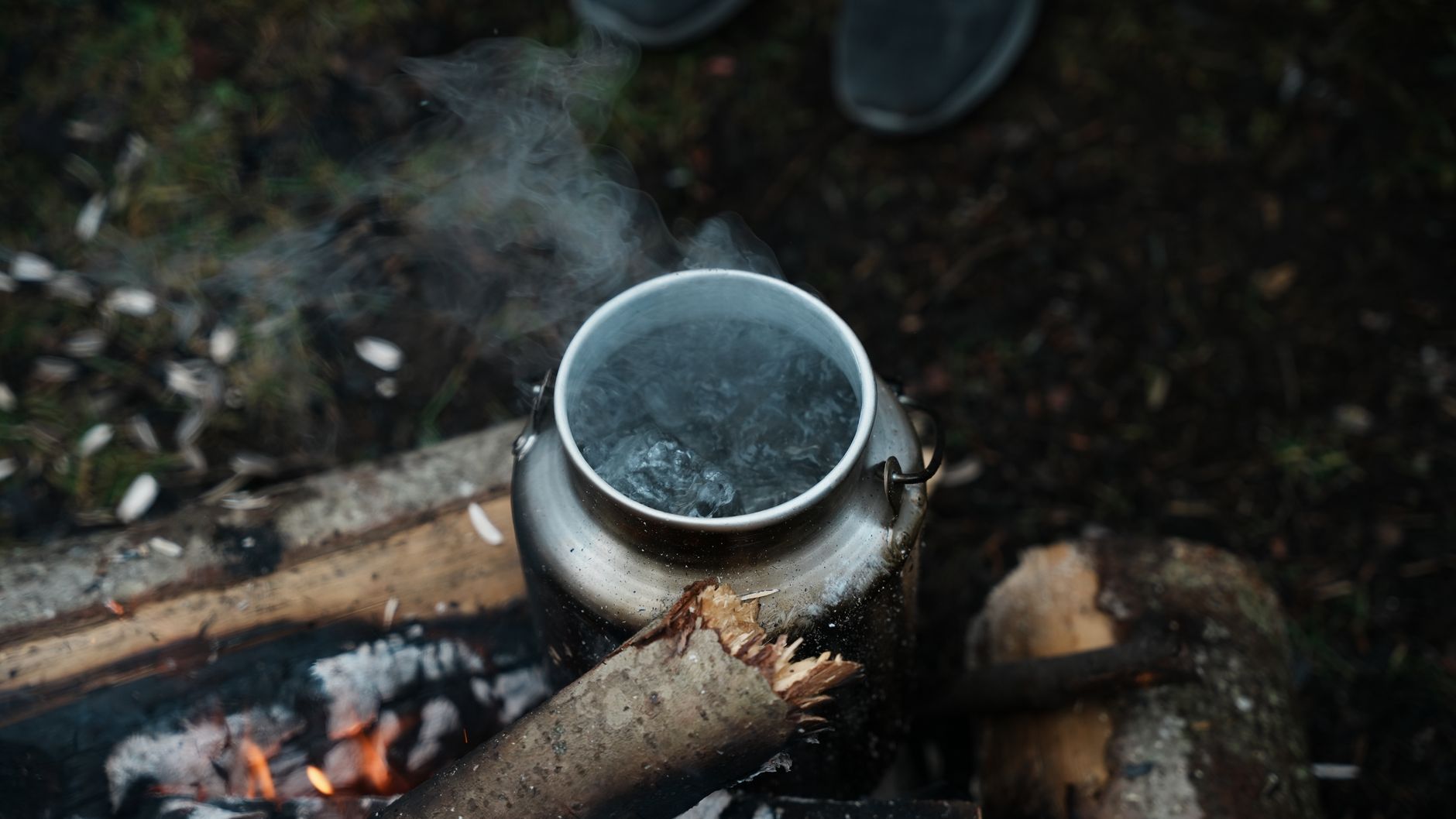
Boiling remains the benchmark because it works regardless of water chemistry or clarity. The CDC recommends a rolling boil for one minute at sea level and three minutes at high altitude. That thermal kill step inactivates viruses, bacteria, and protozoa with a greater than 6-log reduction, meaning it takes a billion organisms down to fewer than a thousand. It is the only method that needs no consumable cartridges, no batteries, and no chemical stocks if you can build a fire. For short-term emergencies or isolated off-grid cabins with abundant firewood, boiling is almost unbeatable.
But boiling has limits. It requires significant fuel, about one kilogram of wood or its equivalent to bring a single gallon from room temperature to a full boil. It does nothing for sediment, turbidity, or chemical contaminants like heavy metals or pesticides, those stay behind unless you distill. In a long-term off-grid scenario where fuel is precious or during a wildfire season where open flames are banned, boiling becomes less practical. Still, for immediate safety after a well contamination or when a freshwater source suddenly looks suspect, boiling ranks first. Combine it with a sediment filter to handle visible particles, and you have a bulletproof emergency system.
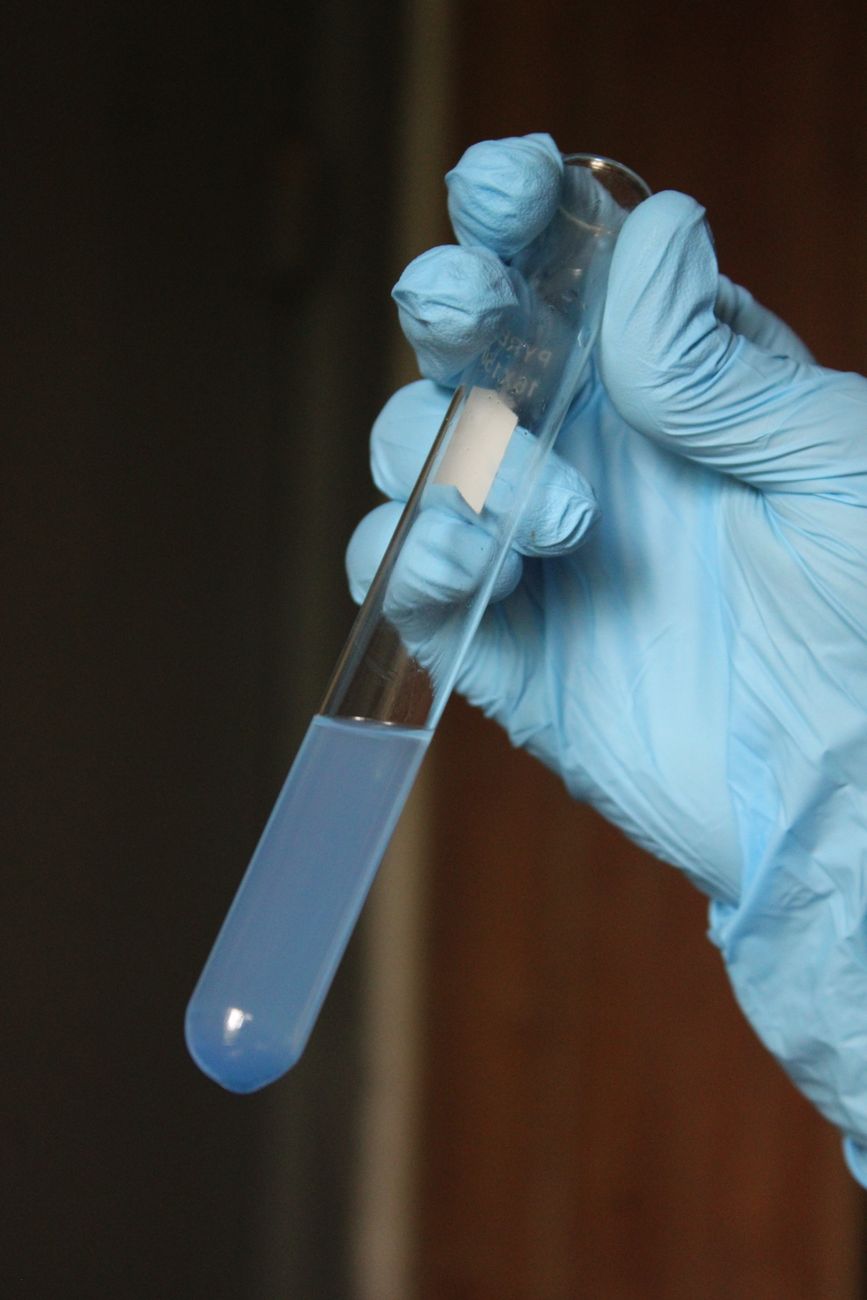
If you rely on a well, regular testing with quality kits ensures you know when a boil order is truly necessary rather than guessing.
- Kills all classes of pathogens without chemicals.
- Robust even with muddy water if you let it settle first.
- Zero ongoing consumable cost once you have a heat source.
- Requires fuel and time; not ideal for daily bulk water needs.
Why Is Filtration the Go-To for Daily Drinking Water?
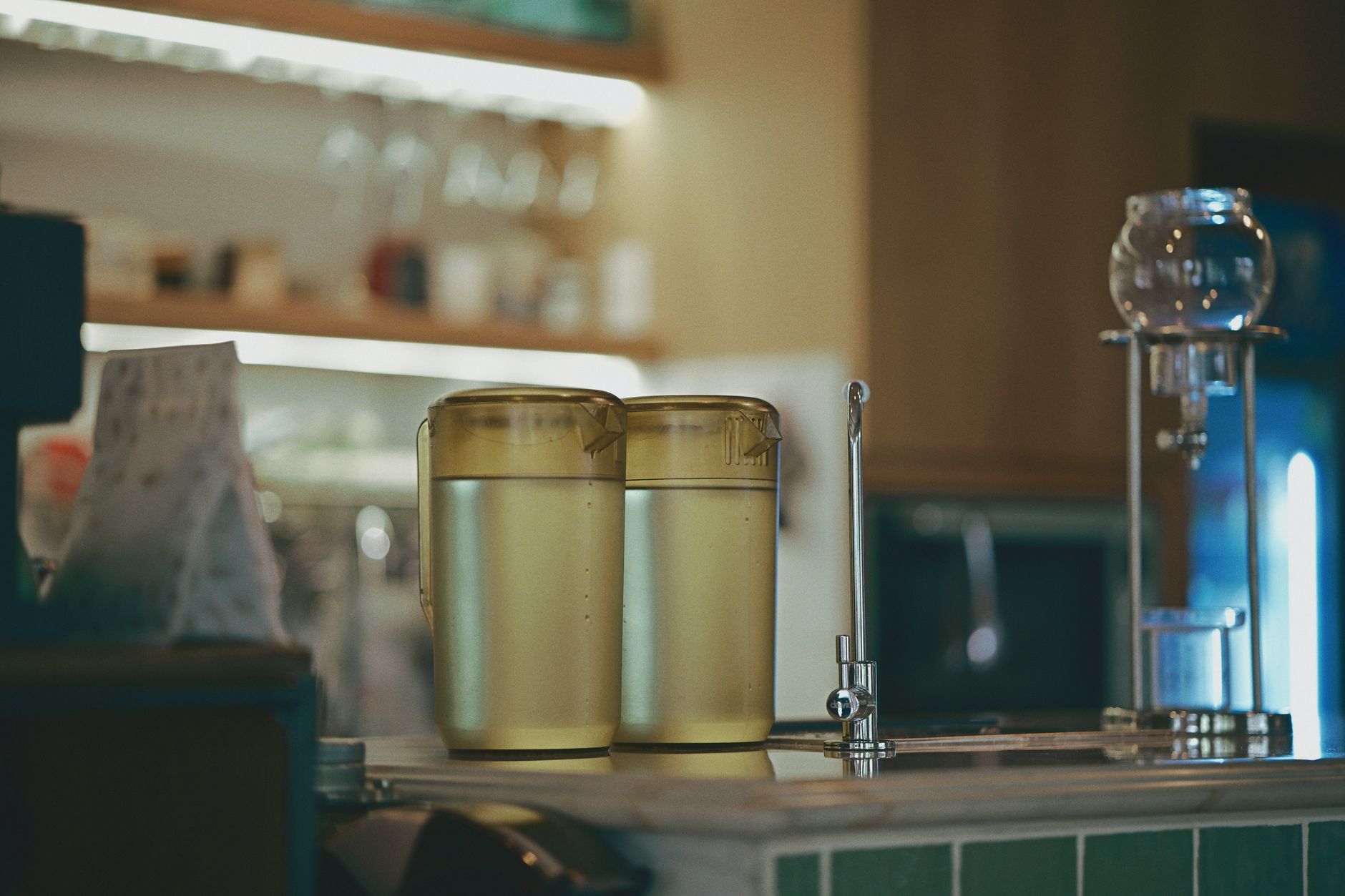
High-quality physical filtration with an absolute pore size of 0.2 microns or smaller stops protozoa like Giardia and Cryptosporidium, most bacteria, and some larger viruses. When you step up to a purifier that combines a sub-micron membrane with activated carbon or electrostatic adsorption, you can also capture viruses and improve taste. According to WQA standards, a certified filter must demonstrate a 6-log reduction for bacteria and 4-log for viruses under challenge testing. That level of performance, matched with a flow rate of a liter per minute or more, makes filtration the frontrunner for daily off-grid use.
Gravity-fed systems like the best portable water filters work without power, perfect for a base camp or cabin. Whole-house units paired with a solar pump can treat hundreds of gallons a day. Filtration has the unique advantage of tackling turbidity and sediment while disinfecting, no other method does both well. The main drawback is consumable cartridges. A 1,000-gallon filter might last a home a year, but you need to stock spares and consider cost per gallon. Still, with a well-maintained storage tank and a rainwater collection system, filtration becomes the backbone of a resilient off-grid water system.
- Removes particles and pathogens in one step with no power.
- Certified filters meet strict 6-log bacteria reduction standards.
- Cartridge life requires monitoring and replacement planning.
- Prefiltration is smart for turbid sources to extend main filter life.
How Effective Is UV Purification for Off-Grid Use?
Ultraviolet light scrambles the DNA of microorganisms so they cannot reproduce or cause infection. Modern UV devices, like SteriPENs or small fixed-mount units, deliver a dose of 40-60 mJ/cm², enough for a 4-log inactivation of viruses and bacteria in a few seconds. The CDC notes that UV treatment does not add chemicals and leaves no taste, a big win over iodine or chlorine. For backpackers and those with a clear, running stream, UV is fast and lightweight.
Off-grid, the Achilles heel is power and water clarity. UV demands batteries or a consistent electrical source. Solar-rechargeable devices exist, but you must plan for charge cycles. More critically, if the water has any turbidity above 1 NTU, pathogens can hide behind particles and survive. That means you need a simple pre-filter or at least a coffee filter when using UV on surface water. In a homestead with a sediment-laden shallow well, UV alone can fail. Many off-grid systems solve this by placing a UV chamber after a sediment and carbon filter, so you get both particle removal and disinfection. Testing your water’s turbidity with a testing kit tells you if UV is a good solo method.
- Instant treatment with no chemical aftertaste.
- Requires battery or solar power and clear water.
- Excellent as a second-stage disinfectant after filtration.
- Bulb life and quartz sleeve cleanliness demand periodic maintenance.
What Are the Pros and Cons of Chemical Disinfection?
Chlorine and iodine have been issued to soldiers and backpackers for decades because they are cheap, light, and stable in storage. Chlorine, typically in the form of household bleach (5-9% sodium hypochlorite) or chlorine dioxide tablets, oxidizes cell walls and disrupts enzymes. Iodine works similarly. The EPA regulates drinking water disinfectant levels, and when used correctly, chemical treatments achieve a 3-log to 4-log reduction of bacteria and viruses. That meets emergency drinking water standards in most cases.
But chemical methods have known gaps. Cryptosporidium oocysts are highly resistant to chlorine and iodine, requiring hours of contact time at high doses that may exceed taste thresholds. The CDC acknowledges this and recommends combining chemical disinfection with a filter if protozoa are suspected. Iodine also carries health risks for pregnant women and people with thyroid issues. Taste is a universal complaint, though chlorine dioxide tablets are less offensive. For a lightweight backup in a bug-out bag or a second layer after filtering stream water, chemical treatment earns its place. Just don’t expect it to work as a solo solution for cloudy, protozoa-heavy water. Store your treated water in proper containers to avoid recontamination.
- Inexpensive, long shelf life, and requires no power.
- Not effective against Cryptosporidium without long contact times.
- Chlorine taste and iodine health concerns limit daily use.
- Works best as a backup or secondary step after filtration.
Is Distillation Worth the Effort and Energy?
Distillation turns water into steam and condenses it back into liquid, leaving behind virtually everything that isn’t water. That includes minerals, heavy metals like lead, salt, and all microorganisms. The process doesn’t just kill pathogens; it physically separates them. For someone on seawater or heavily contaminated groundwater, distillation can be the only safe option. Home stills and atmospheric water generators also produce highly pure water.
However, distillation consumes enormous energy. A typical countertop distiller uses about 3 kilowatt-hours per gallon of output. In an off-grid solar setup, that is a significant daytime load. Production rate is slow, often a gallon in 4 to 6 hours. Unless you have abundant excess solar or generator capacity, distillation is impractical for daily bulk water needs. Moreover, distilled water tastes flat and lacks minerals, so many users add a remineralization cartridge. Still, for niche cases like a remote well with high arsenic or a coastal homestead with no fresh source, distillation ranks fifth as a specialized solution. Pair it with a rainwater harvesting system to reduce reliance on energy-intensive treatment.
- Removes the widest range of contaminants including heavy metals and salts.
- Energy demand is 3+ kWh per gallon, a large off-grid burden.
- Slow output rate makes it unsuitable for high-volume daily use.
- Distilled water requires remineralization for taste and long-term health.
Frequently Asked Questions
Can I purify water by simply leaving it in the sun?
Solar disinfection (SODIS) can reduce pathogens when clear water is exposed to full sunlight for 6 hours in PET bottles. It is not as reliable as boiling or filtration and works only with low-turbidity water. CDC considers it a backup method only.
Will a carbon filter remove viruses?
No. Standard activated carbon filters remove chlorine, taste, and some organic chemicals but are not rated for virus removal. You need a filter with a sub-micron rating (0.2 microns or smaller) or a purifier that uses additional treatments like UV or chemical disinfection.
How long should I boil water to make it safe?
CDC recommends a rolling boil for 1 minute at sea level and 3 minutes at elevations above 6,500 feet. This kills viruses, bacteria, and protozoa. After boiling, let it cool naturally and store in clean, covered containers.
Can I use pool chlorine to disinfect drinking water?
Only unscented household liquid chlorine bleach with 5-9% sodium hypochlorite is acceptable. Do not use pool tablets or scented bleach. Add 2 drops per quart of water, stir, and let it stand 30 minutes before drinking. Water must be clear and at room temperature.
Is UV purification effective in a cloudy water source?
No. UV light cannot penetrate sediment or organic matter. You must pre-filter turbid water through a cloth or sediment filter before using a UV device. Many manufacturers recommend starting with water that has less than 1 NTU turbidity.
What is the best way to purify large volumes of water off-grid?
For large volumes, a multi-stage gravity-fed filtration system or a ceramic filter combined with a storage tank works well. Whole-house systems designed for off-grid use can handle hundreds of gallons a day. Pair with rainwater harvesting and storage tank maintenance for the best results.
What Should You Remember?
- Boiling is the most reliable single method for killing all types of pathogens when you have fuel.
- Physical filtration with a 0.1-0.4 micron absolute rating is the best all-around choice for daily off-grid use.
- UV purification needs clear water and working batteries but can deliver 4-log virus inactivation in seconds.
- Chemical disinfection (chlorine or iodine) is lightweight and cheap but leaves taste and fails against some protozoa.
- Distillation removes virtually everything - minerals, heavy metals, microbes - but consumes significant energy per gallon.
- Always test your source water before picking a method. Use complete testing kits to match treatment to contaminants.
- Combine methods for the safest water: filter first, then disinfect, or boil after pre-filtering turbid sources.
This article is for general information only. Water purification and storage carry health and safety risks — always follow local regulations and manufacturer guidance.