For anyone planning an off-grid water system, the cost of drilling a well is the largest upfront expense. In 2026, prices range from $1,500 for a shallow sand point well all the way up to $20,000 for a deep artesian well in hard rock. The final bill depends on the depth of the aquifer, the regional geology, and the drilling method. Before you break ground, understanding these variables will keep your budget realistic. This breakdown covers every major well drilling method with real 2026 price data.
Drilling a well is not a one-size-fits-all project. Soil type, bedrock depth, and local water tables vary wildly. The EPA’s drinking water standards set strict minimums for well casing and grout, which influence cost. In rocky New England, a 200-foot well might need heavy rotary equipment and cost $8,000, while a 50-foot auger well in sandy Florida could be under $2,000. Regional labor rates add another 15-30% difference between rural Mississippi and coastal California. Securing a water rights permit is often an additional expense that many first-time well owners forget.
Once the hole is drilled, you will need a pump, pressure tank, and filtration. That’s why the total installed cost can be 25-40% higher than the drilling cost alone. Testing your water is not optional. A water quality test reveals bacteria, nitrates, and heavy metals that the drilling process can stir up. The American Water Works Association estimates that the average rural household uses 350 gallons of water per day. A well’s yield must meet that demand, especially if you plan to live off-grid year-round. Drill deeper, and you might hit a better aquifer, but every foot adds cost.
Choosing the right drilling method can save thousands of dollars. Traditional cable tool rigs are slow but cheap. Modern rotary rigs are fast but expensive. For shallow water tables under 25 feet, an old-fashioned sand point might be all you need. This guide compares five common methods, highlighting typical depth ranges, cost per foot, pros and cons, and who each method suits best. No single approach works everywhere. But after reading this, you will know exactly what to ask local drillers and what prices to expect in 2026.
How Do the Top Options Compare?
| Drilling Method | Typical Depth | Cost per Foot | Total Estimated Cost | Best For |
|---|---|---|---|---|
| Rotary Drilling | 200-1,000+ ft | Check price | Check price | Deep wells, mixed soils |
| Air Rotary | 150-800 ft | Check price | Check price | Hard rock formations |
| Cable Tool | 50-500 ft | Check price | Check price | Boulder-filled ground, low budget |
| Auger Drilling | 30-100 ft | Check price | Check price | Shallow wells, soft soil |
| Sand Point | 10-50 ft | Check price | Check price | High water table, sandy soil |
Costs are approximate and depend on location, soil conditions, and contractor rates. Always get at least three quotes and check for any permit or pump installation fees.
1. Rotary Drilling (Mud Rotary) , Best for Deep Wells in Mixed Geology
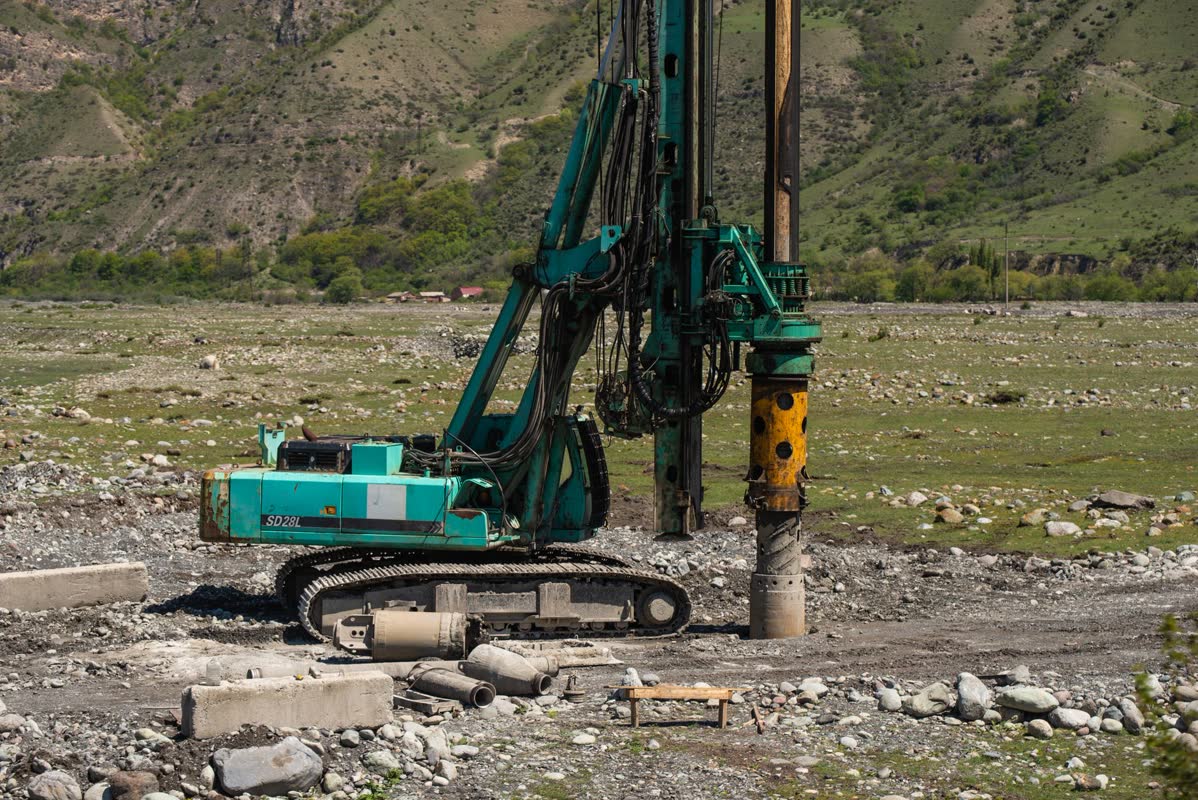
Rotary drilling is the most common method for residential and agricultural wells throughout the United States. A large drill bit chews through soil and rock while a mud slurry carries cuttings to the surface and stabilizes the borehole. Because it can penetrate almost anything, clay, gravel, shale, sandstone, it works in 90% of locations. The real advantage is depth. Rotary rigs routinely reach 500 feet, and commercial units can go past 1,000 feet. For off-grid homesteaders who need a reliable, high-yield water source, this is the go-to choice.
The cost reflects its versatility. In 2026, expect to pay $15 to $40 per foot, which puts a typical 300-foot residential well at $4,500 to $12,000 for the hole alone. Permits, casing, grout, and the pump system add another $2,000 to $5,000. In the Northeast, where granite bedrock is common, drilling through hard rock pushes prices to the higher end. A 400-foot well in upstate New York can easily cost $16,000 before the pump. Meanwhile, a 200-foot well in the sandy soils of central Texas might stay near $6,000.
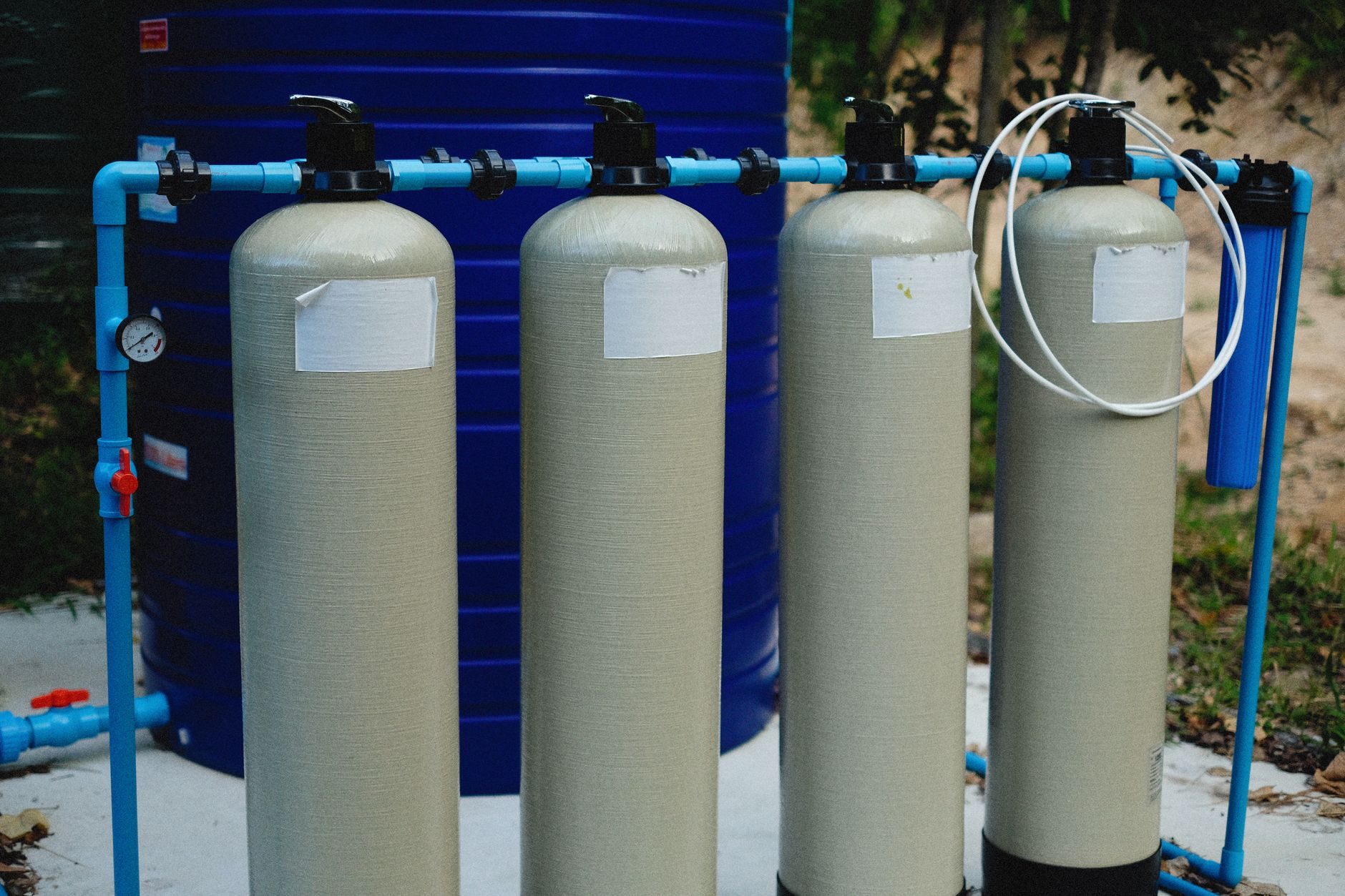
Not all rotary drilling uses mud. Air rotary swaps the slurry for compressed air, which we will cover separately. Mud rotary leaves behind a sloppy work site and requires a settling pit. That can be a hassle on small lots. But after drilling, a whole-house water filter is often needed to remove residual sediment and occasional bacteria introduced during construction. Testing your water after any rotary job is a must, as the EPA’s well construction standards note that drilling fluids can temporarily cloud the aquifer. Once flushed, a properly cased rotary well delivers 5-10 gallons per minute, enough for a large family and garden.
Key strengths:
- ✅ Handles nearly all soil and rock types
- ✅ Can reach depths over 1,000 feet
- ✅ Yields 5-10+ gallons per minute
- ✅ Widely available contractors
- ✅ Reliable long-term water supply
- ❌ High equipment and labor costs
- ❌ Messy drilling mud requires cleanup
- ❌ Not economical for depths under 100 feet
Who it’s for: Homeowners and farmers who need a deep, high-capacity well and are willing to invest in professional installation.
2. Air Rotary Drilling , Best for Hard Rock Formations
Air rotary drilling uses compressed air instead of drilling mud to remove cuttings. A hammer bit pounds into rock, and the high-velocity air lifts the debris out of the hole. This method excels in hard, fractured rock like granite, limestone, or basalt. Drillers in the Rocky Mountains, the Pacific Northwest, and the Appalachian highlands often prefer it. Because there is no mud, you don’t risk clogging the aquifer with drilling fluids. The borehole stays cleaner, which can lead to a higher yield right out of the gate.
The cost is comparable to mud rotary at $20 to $45 per foot. The main variable is rock hardness. Extremely hard granite can chew up bits and slow progress, raising the per-foot price. A 250-foot well in solid granite might run $8,000 to $11,250, while the same depth in softer sandstone would be $5,000 to $7,500. You also need a large air compressor, which adds to mobilization fees. Air rotary rigs are not as common as mud rigs in some regions, so finding a contractor may be harder.
A major upside: air rotary is fast in rock. It can drill 100 feet in a day where cable tool might take a week. Noise is the biggest complaint. The compressor and percussion hammer create a steady roar that neighbors won’t appreciate. Still, for remote off-grid sites, the speed offsets the racket. After drilling, you will likely need a water storage tank and pump system to buffer the high flow rate. Air rotary wells frequently produce 10-20 gallons per minute, which is ideal for irrigation. The National Ground Water Association recommends this method where static water levels are deep and rock is unweathered.
Key strengths:
- ✅ Fast drilling in hard rock
- ✅ No drilling mud to contaminate aquifer
- ✅ High flow rates (10-20 gpm)
- ✅ Cleaner borehole reduces development time
- ❌ Extremely noisy during operation
- ❌ Limited to competent rock formations
- ❌ Higher equipment mobilization costs
- ❌ Harder to find local contractors
Who it’s for: Property owners in mountainous or granite bedrock regions who need a clean, high-output well and can tolerate the noise.
3. Cable Tool (Percussion) Drilling , Best for Budget-Conscious Deep Wells in Mixed Ground
Cable tool drilling is the oldest powered method and it remains surprisingly relevant in 2026. A heavy chisel-like bit is raised and dropped repeatedly, pulverizing the earth below. Water is poured in to create a slurry that is bailed out periodically. The rig is mechanically simple, which means lower purchase and operating costs. Because it does not rely on high-speed rotation, cable tool drilling can push through boulders, glacial till, and fractured rock without jamming. That makes it a favorite for rural properties where the subsurface is a chaotic mix of cobbles and clay.
Cost per foot ranges from $10 to $30, which is noticeably cheaper than rotary drilling. A 200-foot well might cost $2,000 to $6,000 for drilling alone. The trade-off is speed. Where a rotary rig can drill 100 feet in a day, a cable tool rig might take four or five days. Labor hours add up, but the daily rate for cable tool drillers is often lower. For a patient landowner who can wait a week, the savings can be substantial. Total installed wells often land between $3,000 and $10,000.
Cable tool drilling is also extremely low-impact. No mud pits, no large compressor, no heavy mud. The rig runs on a small engine. Water use is minimal. One drawback is that the hole is not as straight as a rotary hole, which can make casing installation trickier. Depth capability tops out around 500 feet in practice, though historical wells have gone deeper. For an off-grid setup, this method pairs well with a simple rooftop rainwater system as a backup water source. The slow, steady rhythm of the cable tool is a good match for the deliberate pace of homesteading.
Key strengths:
- ✅ Lower cost per foot
- ✅ Handles boulders and fractured rock
- ✅ Minimal environmental impact
- ✅ Simple equipment, lower breakdown risk
- ❌ Very slow drilling speed
- ❌ Limited to 500-foot max in most areas
- ❌ Requires large water supply for slurry
- ❌ Less common, fewer contractors available
Who it’s for: Homesteaders and budget-focused landowners who need a reliable well but aren’t in a hurry.
4. Auger Drilling , Best for Shallow Wells in Soft Soils
Auger drilling uses a rotating helical screw to bring soil to the surface. It is the simplest mechanical method and comes in two forms: hand augers for DIY wells and power augers on small rigs for hire. Depth is severely constrained by the auger’s inability to go through rock or heavy gravel. Most augered wells stop at 30 to 60 feet, though a few reach 100 feet in ideal sandy loam. Because you are limited to the water table’s shallow expressions, these wells are often seasonal or supplemental. They may dry up in late summer if the aquifer is not powerful.
For the right site, auger drilling is remarkably cheap. A DIY hand auger kit costs under $200, and even a professional auger rig can cost just $10 to $25 per foot. A 50-foot well might set you back $1,500 to $2,500 with a contractor. That is a fraction of a rotary well. Many small farms drill a shallow auger well for livestock water or garden irrigation, leaving the deep well for household use. The main risk is contamination. The CDC recommends testing shallow wells more frequently, as surface runoff can carry pesticides, bacteria, and fertilizers into the water. A water testing kit is non-negotiable before drinking from an auger well.
Yield is modest, typically 1 to 5 gallons per minute. A storage tank and low-flow fixtures can make that work for a small cabin. Auger wells also freeze more easily in winter, so insulation or a pitless adapter is essential. Despite these limitations, for a gardener or hobby farmer with a water table at 40 feet, an auger well is a practical, low-tech solution that you can often install yourself with a few weekends of work.
Key strengths:
- ✅ Very low cost, especially DIY
- ✅ Simple equipment, no heavy machinery needed
- ✅ Quick installation in soft soils
- ✅ Low environmental disturbance
- ❌ Strict depth limit (rarely beyond 100 ft)
- ❌ Only works in soft, rock-free soils
- ❌ Low water yield (1-5 gpm)
- ❌ Higher contamination risk from surface sources
Who it’s for: Gardeners, small homesteaders, or livestock owners with a shallow water table and soft ground, looking for an affordable supplemental well.
5. Sand Point (Driven Well) , Best for DIY Shallow Wells in Sandy Aquifers
A sand point well, also called a driven point well, is the ultimate low-cost option. It consists of a hardened steel point with a screen that you hammer directly into the ground. No digging, no drilling. The point is attached to sections of pipe and driven to the water table, which must be no deeper than 25 to 30 feet for hand driving. Deeper installations to 50 feet are possible with a jackhammer or tractor-mounted driver, but they are less reliable. This method only works in sandy or loose soils free of rocks and cobbles.
Cost is almost laughably low by well standards. A complete DIY kit with point, screen, and sufficient pipe can be under $500. If you hire a mechanic to drive it, expect $500 to $2,500 total, depending on depth and if they install a hand pump. This is the method of choice for seasonal cabins, hunting camps, and off-grid tiny homes where water needs are low. One driven well typically yields 3-5 gallons per minute, enough for a modest household that conserves water. The EPA reports that the average family of four uses 82 gallons per person per day, so a sand point can meet demand if you supplement with rainwater collection.
The big downside is water quality. Shallow aquifers are highly susceptible to bacterial contamination from septic fields, livestock, and agricultural runoff. You must test the water at least twice a year using a certified kit. A whole-house UV filter or point-of-use treatment is often necessary. Also, sand point wells are illegal or heavily restricted in some counties that require minimum well depths of 50 feet or more. Check local codes before buying a kit. For the right site, though, nothing beats the simplicity and price of a driven well. Within a Saturday afternoon, you can have water flowing.
Key strengths:
- ✅ Extremely low cost ($200-$2,500 total)
- ✅ Quick DIY installation in a day
- ✅ No heavy equipment required
- ✅ Simple to maintain
- ❌ Only for very shallow water tables (<30 ft typical)
- ❌ Must have sandy, rock-free soil
- ❌ High risk of bacterial contamination
- ❌ Low yield (3-5 gpm), can run dry seasonally
Who it’s for: Off-grid campers, seasonal cabin owners, and DIY enthusiasts on sandy soil with a shallow aquifer.
Frequently Asked Questions
How much does it cost to drill a well per foot in 2026?
The cost per foot ranges from $10 for cable tool or DIY auger drilling to $45 for air rotary in hard rock. Most professional rotary drilling falls between $15 and $35 per foot. These figures cover only the drilling; casing, grout, and pump add significant expense.
What is the cheapest way to drill a well?
A sand point (driven well) is the cheapest method, with total costs often under $2,500. For deeper wells, cable tool drilling offers the lowest per-foot drilling cost, but it is slower. Auger drilling is also affordable for shallow depths.
Does well depth affect water quality?
Yes, deeper wells generally have fewer bacteria and surface contaminants. The EPA recommends that wells be at least 50 feet deep to reduce risk, with proper grouting. Shallow wells require more frequent testing and treatment.
Do I need a permit to drill a well?
Almost always yes. Most states and counties require a well permit and a licensed driller for potable wells. DIY sand points may be exempt in some areas, but you still need to comply with setback distances from septic systems. Always check with local authorities.
How long does it take to drill a well?
Drilling a 200-foot well with a rotary rig typically takes one to three days. Cable tool rigs can take a week or more for the same depth. Add time for casing, grouting, pump installation, and water testing. Overall, expect two weeks from start to finished water.
Can I drill a well by hand?
Yes, hand augers and sand points allow DIY drilling in soft soils where the water table is shallow. Hand digging or driven points are feasible to about 30 feet. For deeper wells, professional equipment is necessary. Check local regulations, as many areas prohibit unpermitted domestic wells.
What Should You Remember?
- Drilling method: Choose based on your soil, depth needed, and budget. Rotary is versatile but costly; sand point is cheap but shallow.
- Cost per foot range: In 2026, expect to pay $10, $30 per foot for cable tool and auger drilling, and $15, $45 per foot for rotary methods.
- Total installed cost: Factor in casing, grout, pump, and filtration; these add 25, 40% to the bare drilling price. A 300-foot rotary well can total $12,000+.
- Regional variances: Hard rock areas and high-labor regions like the Northeast and West Coast increase costs by 20, 50%. Always get local quotes.
- Water quality testing: Test your well immediately after drilling and annually thereafter. The EPA sets standards for over 90 contaminants.
- Permits and regulations: Nearly all jurisdictions require a well permit. Setbacks from septic systems and property lines are mandatory. Check before digging.
- DIY feasibility: Shallow sand point and hand auger wells are doable for handy homeowners, but deep, safe drinking water wells almost always need a professional.
This article is for general information only. Water purification and storage carry health and safety risks — always follow local regulations and manufacturer guidance.