Water is becoming an increasingly precious resource. Across the United States, millions of households face rising water bills and seasonal drought restrictions. The EPA notes that the average family uses over 300 gallons of water per day, with a large portion literally going down the drain. Greywater recycling offers a practical way to capture and reuse this water for landscape irrigation, cutting consumption by up to 40%. For off-grid homes, it can be the difference between self-sufficiency and hauling water. But many homeowners hesitate, unsure what’s legal or safe. This guide breaks down everything you need to know about greywater recycling: what it is, what works, and how much you can actually save.
The term “greywater” refers to gently used water from bathroom sinks, showers, tubs, and washing machines. It does not include toilet waste (blackwater) or kitchen sink discharge, which can contain high levels of fats and pathogens. A properly designed greywater system diverts this water directly to the landscape instead of sending it to the sewer or septic tank. While regulations vary wildly by state, simple laundry-to-landscape systems are legal in most places without a permit. According to the EPA’s water reuse guidelines, greywater recycling can dramatically reduce household water use while protecting groundwater supplies. However, improper systems can pose health risks if cross-contamination occurs, so understanding what’s allowed is critical before you dig.
Beyond peace of mind, greywater recycling delivers real financial returns. A DIY laundry-to-landscape setup can cost under $200 and save a family of four 40,000 gallons annually, enough to irrigate a large garden all summer. In areas where water costs $3 to $5 per thousand gallons, that adds up to over $100 in yearly savings. Off-grid homes without municipal water avoid the expense of trucking in water or deepening a well. Combine greywater with a rainwater harvesting system and you create a resilient, cost-effective water supply. We’ll walk through the legal rules, system options, expected costs, and safety must-dos so you can decide if greywater recycling makes sense for your property.
| System Type | Cost (DIY) | Best For | Power Required | Legal Complexity |
|---|---|---|---|---|
| Laundry-to-Landscape | Check price | Small yards, one garden zone | None (gravity) | Low , often no permit |
| Branched Drain Gravity | Check price | Whole house, multiple zones | None (gravity) | Moderate , may need permit |
| Pumped Hybrid System | Check price | Homes with uphill landscapes | Electric pump required | High , often needs permit |
What Exactly Is Greywater and Why Should You Recycle It?
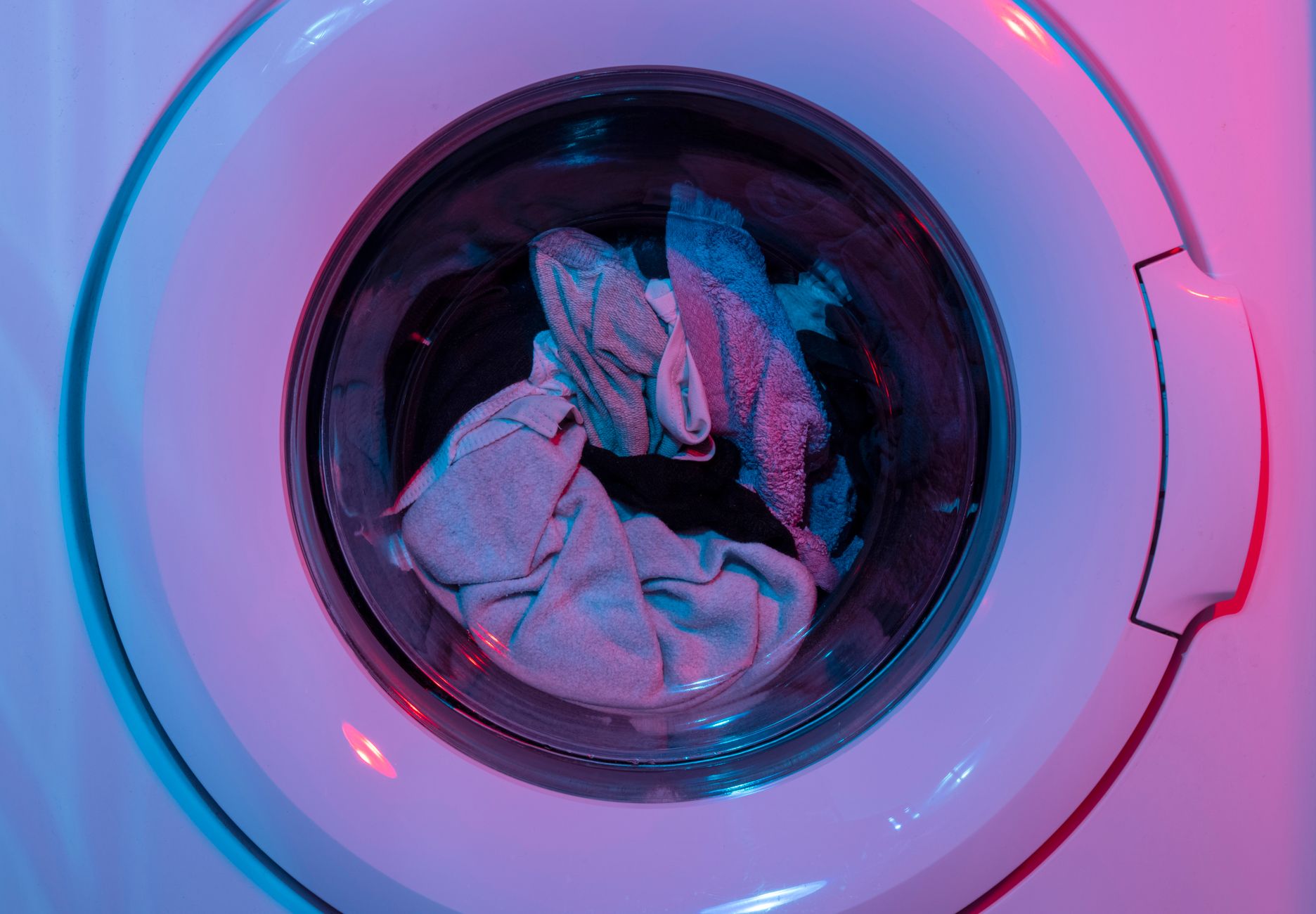
Greywater is the relatively clean wastewater from showers, bathtubs, bathroom sinks, and washing machines. Unlike blackwater from toilets, it contains only small amounts of organic matter and soaps. Kitchen sink effluent and dishwasher discharge are typically excluded because they carry grease, food particles, and higher bacterial loads that can harm soil and plants. The EPA estimates that greywater makes up 50 to 80 percent of residential wastewater. When you route this water to your landscape instead of the sewer, you immediately cut your household water demand.
Reusing greywater isn’t just about conservation, it’s a practical tool for off-grid living. Many remote properties depend on a well with limited yield or costly water deliveries. A reliable greywater system can slash outdoor water needs, keeping your well from running dry during summer months. With water scarcity affecting over 2 billion people globally, as reported by the WHO, household water reuse is no longer a niche hobby, it’s a critical adaptation strategy.
- Common greywater sources: showers, bathtubs, bathroom sinks, washing machines
- Never include: toilet waste, kitchen sink water, dishwasher discharge
Is Greywater Recycling Legal? What Do the Regulations Say?
Legality hinges on your state and local plumbing code. As greywater gained acceptance, many jurisdictions adopted the Uniform Plumbing Code or crafted their own rules. States such as Arizona, California, New Mexico, and Texas now actively encourage simple greywater reuse. Typically, systems that do not cut into the home’s drain-waste-vent piping, like a laundry-to-landscape setup, fall under “no permit” categories because they don’t permanently alter plumbing. More complex branched drain or pumped systems often require a building permit and inspection.
The CDC strongly recommends subsurface irrigation to prevent human contact and surface runoff. Most regulations echo this by mandating that greywater be distributed through covered mulch basins or drip lines, never allowed to pool on the ground. Before installing anything, check with your local environmental health department. Water rights may also come into play in some western states; the water rights and permits guide explains how water diversion can affect your legal standing.
- Subsurface or drip irrigation required to avoid ponding
- No storage beyond 24 hours to prevent pathogen growth
- Use only graywater-safe detergents and soaps
- Maintain minimum setbacks from property lines and wells
How Does a Greywater System Actually Work?

A greywater system captures, filters, and distributes water using either gravity or a pump. The simplest design is a three-way diverter valve on the washing machine outlet. When engaged, it sends water through a mesh filter and out a flexible hose to a mulch basin in the garden. Branched drain gravity systems use slightly sloping pipes to collect water from multiple bathroom fixtures and deliver it to several landscape zones. Pumped systems add a small holding tank (often called a surge tank) and an electric pump when the landscape is uphill.
All systems share one rule: greywater must flow into the soil within 24 hours. This prevents bacteria from multiplying and causing odors. Once in the ground, soil microbes break down soaps and organic matter, turning “waste” into plant nutrients. You can test your soil periodically to confirm nutrients aren’t building up to harmful levels. Remember, greywater is never treated to drinking-water standards, so it’s strictly for irrigation.
- Laundry-to-landscape: simplest, uses washing machine pump or gravity
- Branched drain gravity: serves multiple fixtures, requires slope
- Pumped hybrid: needed when garden is uphill or far from the house
What Are the Best Greywater Systems for an Off-Grid Home?
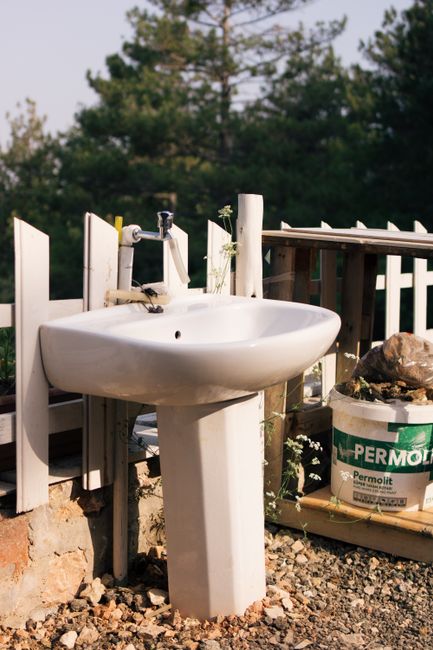
Off-grid living often means limited electricity and a strong desire for low-maintenance solutions. Gravity-based systems, laundry-to-landscape and branched drain, fit perfectly. They require no power, have no mechanical parts to fail, and cost much less to install. A laundry-to-landscape system can be built in an afternoon for under $200 using a diverter valve, PVC fittings, and a garden hose. Branched drain setups are slightly more involved but still avoid pumps.
For homes where the garden sits uphill from the house, a pumped system is the only option. These rely on a small submersible pump inside a surge tank, drawing about the same electricity as a light bulb. They add complexity and cost but let you irrigate areas gravity can’t reach. The comparison table below lays out the key differences between the three main system types.
- Laundry-to-landscape: best for beginners and small gardens
- Branched drain: good for whole-house reuse on sloping lots
- Pumped hybrid: solves elevation challenges but needs power
What Are the Real Cost Savings and How Do You Avoid Risks?
Dollar savings add up fast. At the national average water rate of about $5 per 1,000 gallons, recycling 40,000 gallons a year saves $200 annually. In drought-prone regions with tiered pricing, the number can double. Off-grid families who currently haul water or run a generator to pump from a deep well see even larger returns. If your well is struggling, drilling a new well can easily exceed $10,000, making conservation cheaper than new supply.
Health risks are minimal if you follow a few rules. Never spray greywater on edible leaves or root crops. Keep the system subsurface to avoid aerosolized bacteria. Use only liquid, biodegradable soaps without salts or boron to prevent soil damage. And in freezing climates, winterize your system by draining lines and shutting down diversion valves before the first hard frost. A quick annual check of your soil with a water and soil testing kit ensures the system stays in balance.
- Do use greywater on fruit trees, lawns, and ornamental beds
- Don’t apply it to leafy greens or root vegetables eaten raw
- Do choose plant-friendly detergents (e.g., Oasis, ECOS)
- Don’t ever store greywater in barrels or tanks
Frequently Asked Questions
What is greywater?
Greywater is wastewater from showers, bathtubs, bathroom sinks, and washing machines. It does not include toilet or kitchen sink waste. It can be reused for landscape irrigation after simple treatment.
Do I need a permit for a greywater system?
In many states, simple laundry-to-landscape systems that don’t alter plumbing and discharge below ground don’t require a permit. However, more complex pumped systems often need approval from local building departments.
How much water can I really save?
A typical family of four can save 30,000 to 40,000 gallons per year by recycling greywater. That can reduce total household water usage by up to 40%.
Is greywater safe for vegetable gardens?
The CDC advises against using greywater on edible parts of plants or root vegetables to avoid pathogen transfer. It is best used for ornamental plants, fruit trees, and lawns.
What soaps and detergents should I use?
Only use biodegradable, salt-free, and boron-free products. Avoid liquid fabric softeners and bleach, which can harm soil and plants.
Can I store greywater for later use?
No. Bacteria multiply quickly in stored greywater. Most regulations require using it within 24 hours to prevent odors and health hazards.
What Should You Remember?
- Greywater from bathrooms and laundry can replace 40% of a home’s total water use.
- Laundry-to-landscape systems are the simplest, cheapest, and most widely legal option.
- Always check local codes because permit rules vary widely by state and municipality.
- Use only biodegradable, salt-free products to keep soil healthy and avoid plant damage.
- Never store greywater for more than 24 hours; it must flow directly to the landscape.
- Combining greywater with rainwater harvesting creates a resilient off-grid water supply.
- DIY greywater systems can pay for themselves through water bill savings in under one year.
This article is for general information only. Water purification and storage carry health and safety risks — always follow local regulations and manufacturer guidance.