Living off the grid demands a water supply that is entirely under your control. Without a municipal connection, every drop you drink, cook with, or wash in must be sourced, stored, and treated on your property. This level of independence sounds daunting, but thousands of off-grid homesteads and cabins prove it is achievable with the right design. The key is understanding your local water cycle, your consumption patterns, and the most appropriate technology for your region. The EPA recommends that private water systems meet the same safety standards as public supplies. Meeting those standards off-grid requires consistent water testing and a layered treatment approach.
Off-grid water systems range from a few rain barrels supplying a tiny cabin to a deep well with solar-powered pumps and whole-house filtration serving a family of five. Your climate, land size, and budget will shape the final configuration. Yet all reliable systems share the same three pillars: a dependable source, enough storage to cover dry periods, and purification that works without grid electricity. The WHO estimates that 2.2 billion people lack access to safely managed drinking water, often because of inadequate treatment. Off-grid living flips that script: you become the water utility.
This guide walks you through sourcing methods including wells, rainwater collection, surface water, and atmospheric generators. You will learn how to size storage tanks, select purification methods that don’t need power, and navigate legal requirements like water rights and permits. By the end, you will know exactly what it takes to create an independent water supply that keeps you safe, meets your daily needs, and operates reliably through every season.
How Do You Source Water When You’re Off the Grid?
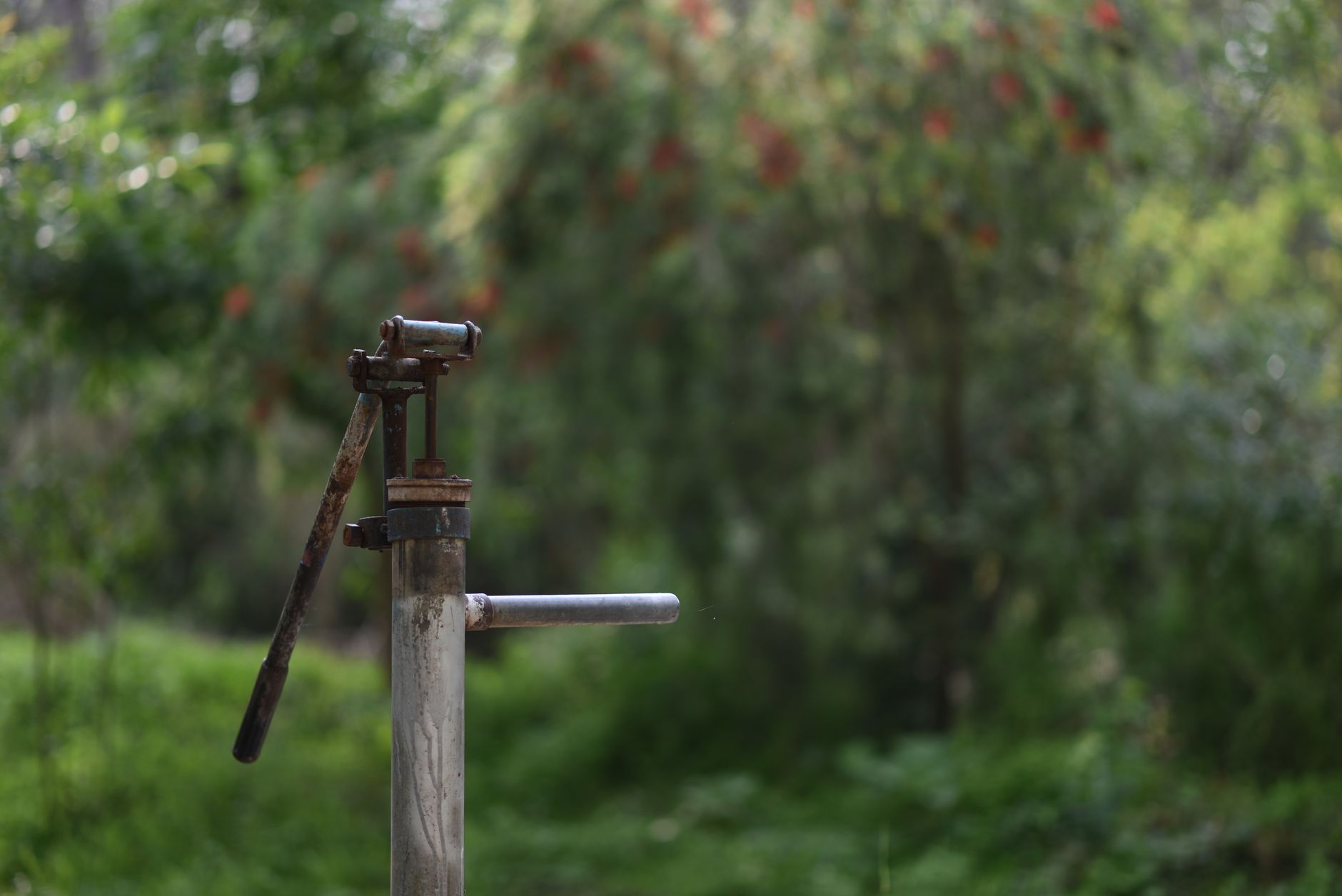
The first step is choosing a source that can deliver consistently throughout the year. For most off-grid properties, a drilled well offers the most predictable supply. Wells tap into underground aquifers that are less affected by drought. Our well drilling guide explains the process in detail. Drilling costs vary by depth and geology; you can see typical expenses in our well drilling cost breakdown. However, a well is not always feasible. In remote locations with shallow bedrock or very deep water tables, rainwater harvesting becomes a smart alternative. A single inch of rain on a 1,000-square-foot roof yields about 600 gallons of water. Read our rainwater harvesting guide and compare the best collection systems to see if your rainfall and roof area are sufficient.
Surface water from rivers, lakes, or streams is another option, but it requires more rigorous treatment because of direct contamination risks. The CDC recommends daily monitoring for turbidity and monthly testing for coliform bacteria if you use surface water. In arid regions where well drilling is impractical and rain is scarce, atmospheric water generators can pull drinking water from the air. Our atmospheric water generator guide covers how they work and the cost to operate one. No matter which source you choose, you must test the water regularly. A basic screening with one of the best water testing kits will reveal lead, bacteria, nitrates, and pH problems. For a deeper analysis, send a sample to a certified lab and refer to our water testing guide.
- Drilled wells: yield 5-20+ gallons per minute, require a pump and power source.
- Rainwater: free after setup, but storage tanks must be large (10,000 gallons or more for year-round use).
- Surface water: accessible but high-risk; needs multi-stage filtration and disinfection.
- Atmospheric generators: produce 2-8 gallons per day per unit, best for drinking water only.
How Can You Store Water Safely for Long-Term Off-Grid Use?
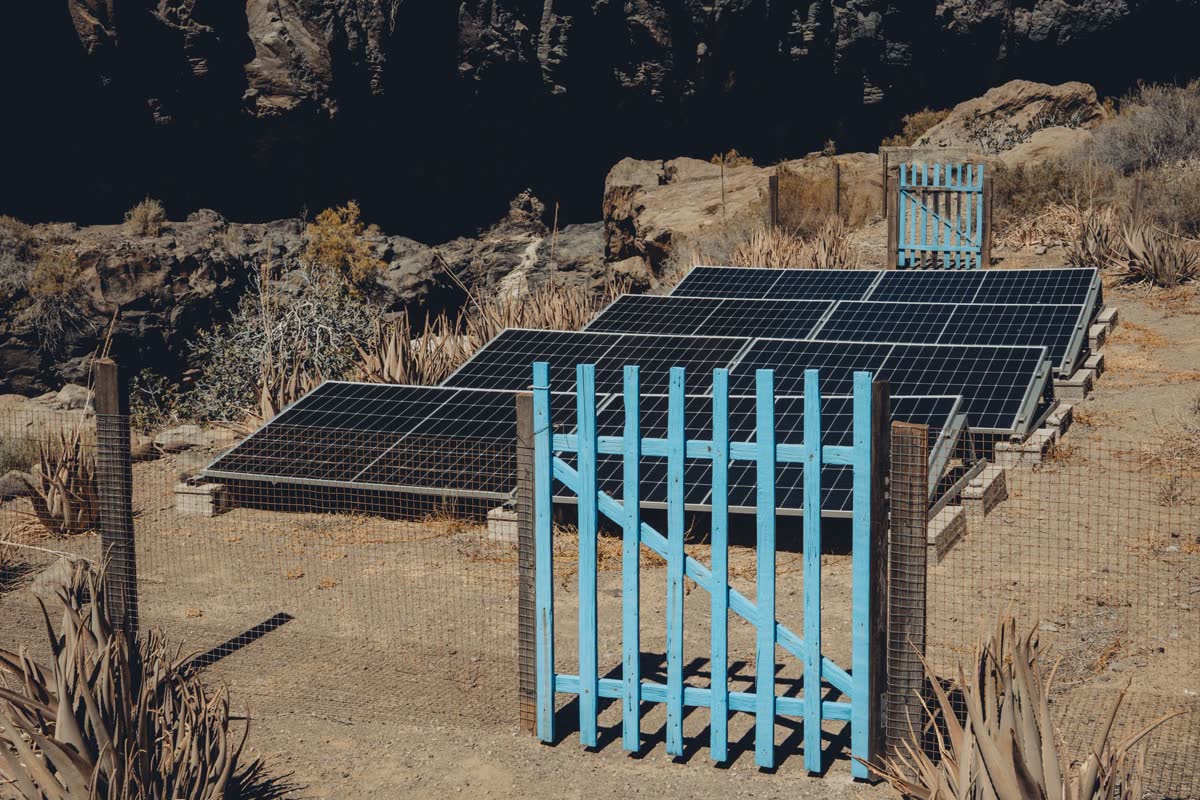
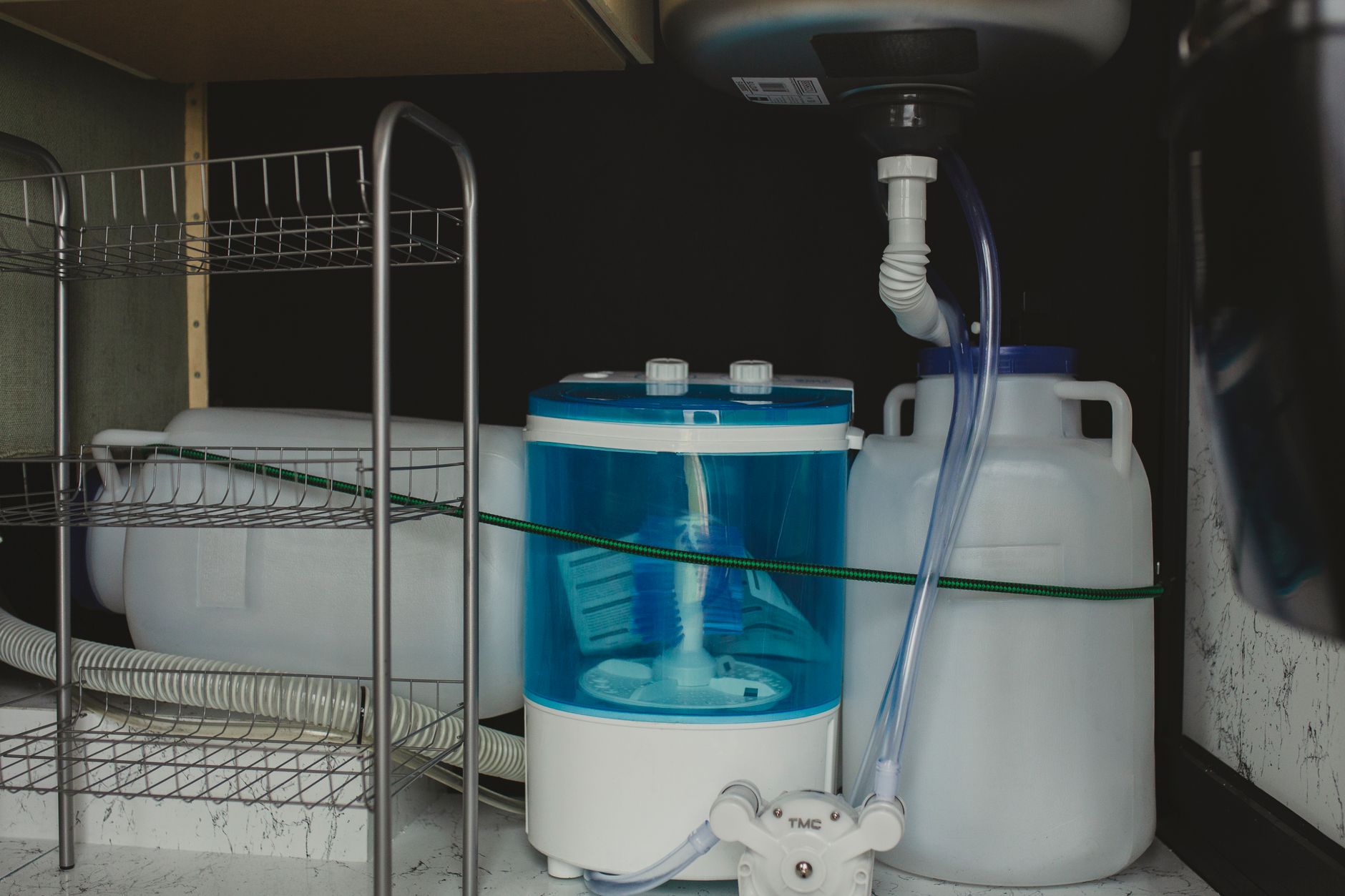
Storage bridges the gap between supply and demand. Even a strong well can have a pump failure, and rain does not fall every day. You need enough capacity to carry you through dry spells and emergencies. Food-grade polyethylene tanks are the standard. They come in sizes from 55-gallon drums to 5,000-gallon cisterns. Check our list of the best water storage containers for durable options. For a family of four consuming 50 gallons per person per day, a two-week reserve requires at least 2,800 gallons of storage. That might be a single large tank or multiple interconnected ones.
Proper maintenance keeps stored water safe. Our water storage tank maintenance guide explains cleaning, sealing, and algae prevention. Direct sunlight accelerates algae growth, so paint tanks or bury them. All storage tanks should have screened vents and a sealed manway. A first-flush diverter on rainwater systems prevents the most contaminated roof runoff from entering the tank. If you store water for emergency reserves alone, you can use smaller containers that are easy to rotate; see our emergency water storage tips. In freezing climates, insulation and burying the tank below the frost line are critical. Even a partial freeze can crack a tank. Plan for seasonal adjustments and consider storing water in multiple smaller tanks rather than one large one, so a single failure doesn’t wipe out your entire supply.
What Are the Best Water Treatment Options Without Electricity?
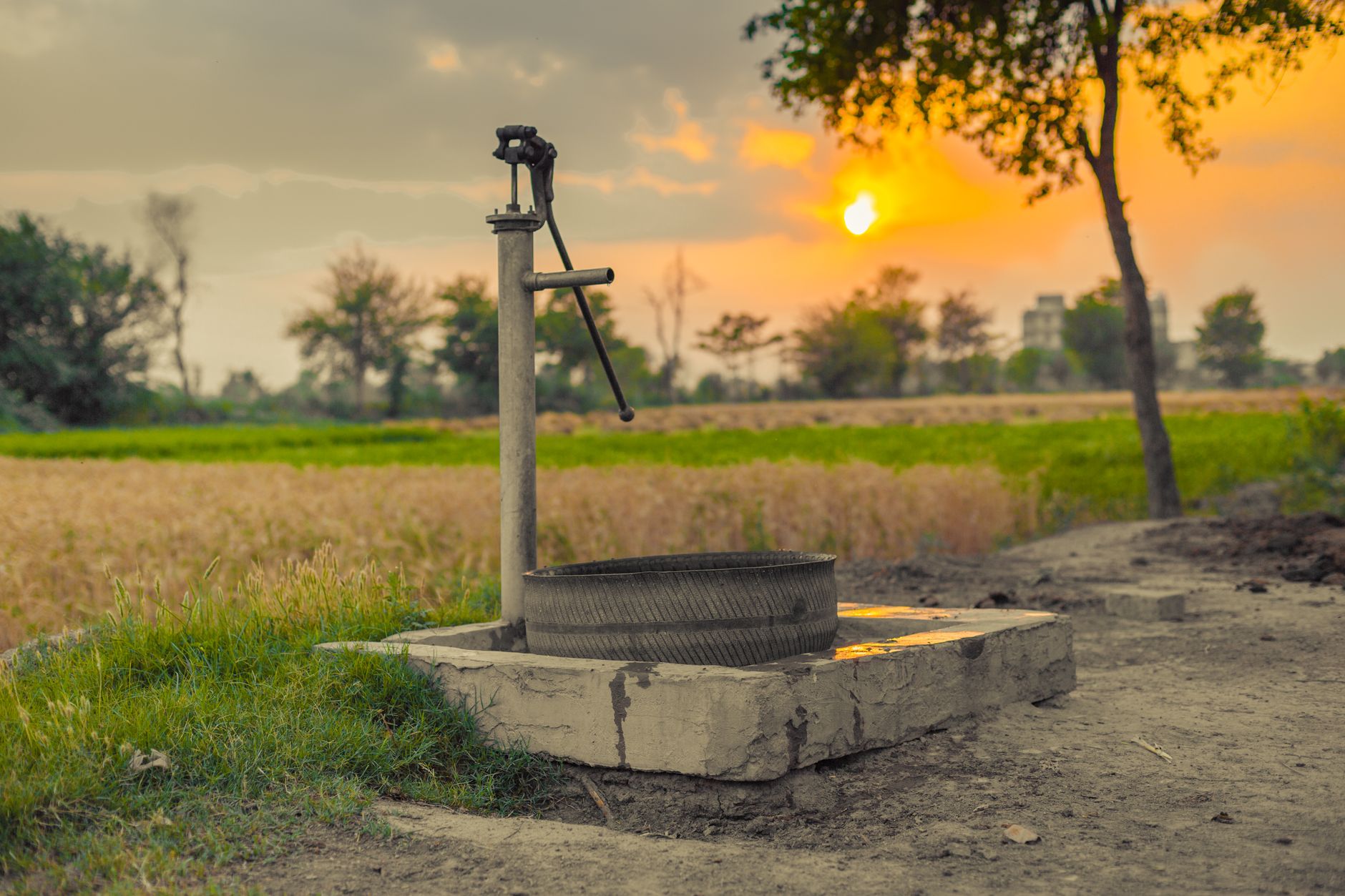
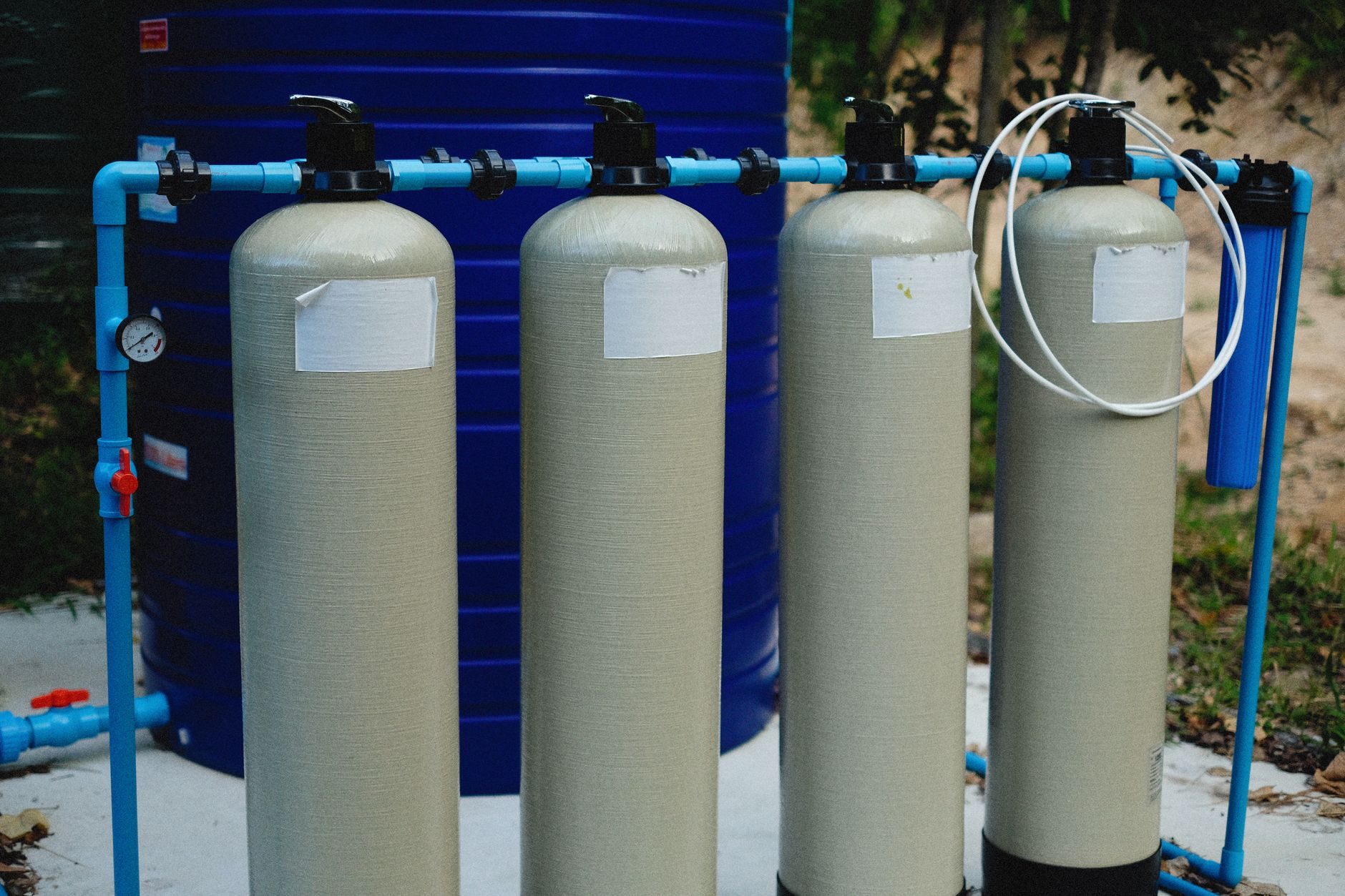
Off-grid treatment must work when there is no grid power. Gravity-fed filters are among the most reliable. Ceramic candle filters, like those in many countertop units, can remove bacteria and protozoa down to 0.2 microns. However, they do not block viruses. For complete protection, pair a ceramic filter with a UV treatment or a chemical disinfectant. The Water Quality Association (WQA) certifies filters to NSF/ANSI standards, so look for that seal when selecting equipment. Our water purification methods article compares the most common systems.
For emergency situations or portable use, consider one of the best emergency water filters or the best portable water filters. These are often pump-style or squeeze filters that handle small volumes quickly. If you need to supply an entire house, a gravity-based whole-house filter with a large holding tank can be combined with a solar-powered UV light. Our best whole-house water filters 2026 guide includes models that work with low pressure. Chlorine bleach is a proven backup. The CDC recommends 8 drops of 6% bleach per gallon of clear water, letting it stand for 30 minutes. Iodine tablets also work, but they are not recommended for pregnant women or long-term use. Always have at least two treatment methods available: a primary system for daily use and a backup for emergencies.
- Ceramic gravity filters: remove >99.9% of bacteria; no power needed.
- Solar UV: uses sun to purify; effective but slow.
- Chemical disinfection: chlorine or iodine; reliable but may affect taste.
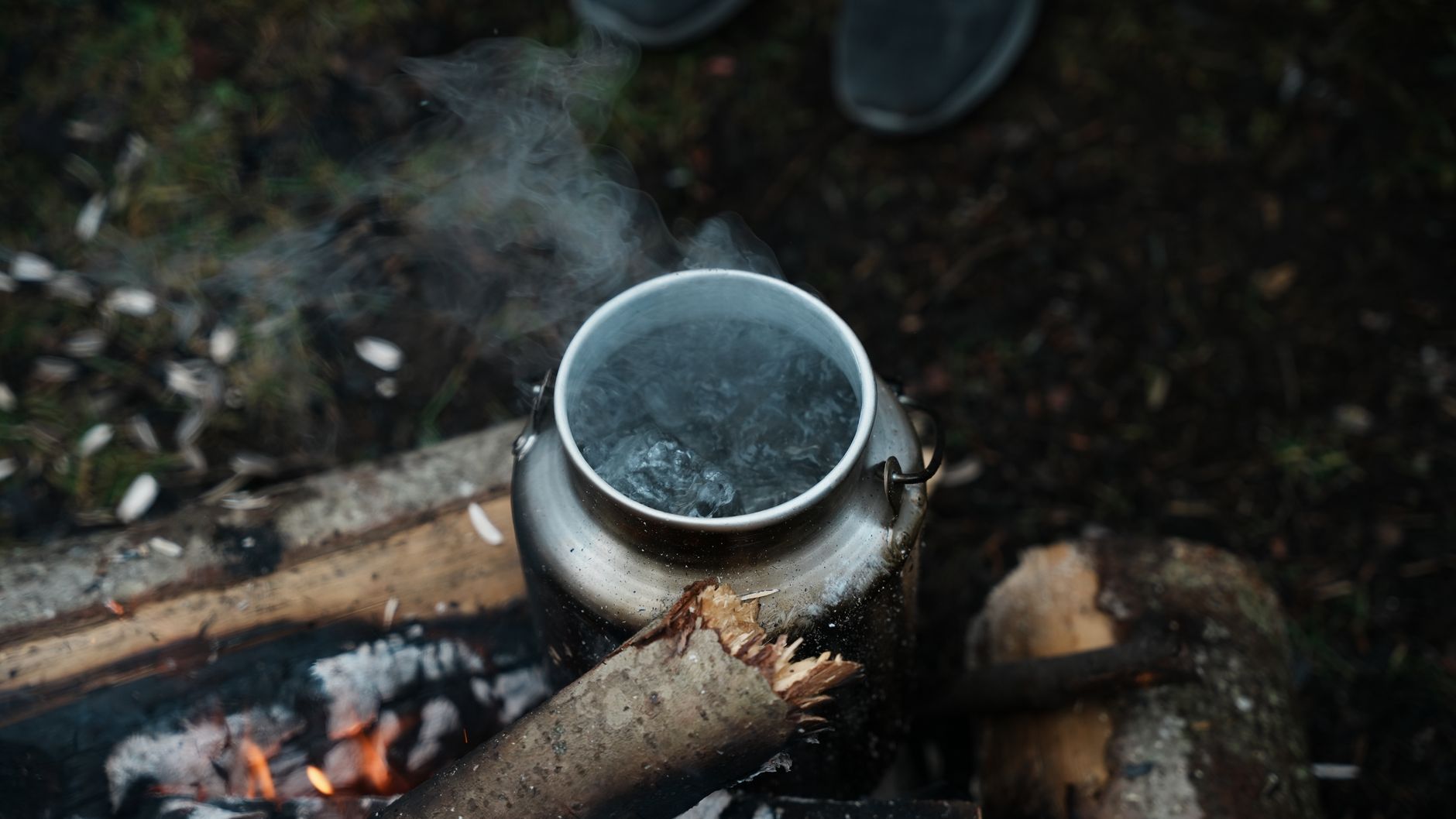
- Boiling: kills all pathogens; requires fuel and time.
How Much Water Do You Really Need for Off-Grid Living?
Water needs vary widely depending on lifestyle. The average U.S. household uses around 82 gallons per person per day, according to EPA data. Off-grid households practicing conservation typically use 20 to 50 gallons per person daily. That still adds up quickly. A family of four aiming for 30 gallons per person will need 120 gallons a day, or about 840 gallons a week. The WHO recommends a minimum of 7.5 liters (2 gallons) per person per day just for drinking and basic food preparation, but that survival ration does not cover bathing, laundry, or dishwashing.
Gardens and livestock sharply increase demand. A small vegetable garden can consume 30 to 50 gallons per day in hot weather. A single cow drinks 10 to 30 gallons daily. When planning your system, list every water use: drinking, cooking, bathroom, cleaning, garden, animals. Multiply by the number of days you want to cover between refills or rain events. Many off-grid systems are designed around a 30-day storage requirement to handle a dry month or equipment failure. Use a conservative estimate: if you think you can get by on 20 gallons per person, plan for 30. Water is cheap to store compared to the cost and effort of running out.
- Drinking and cooking: 2-3 gallons per person per day.
- Hygiene and cleaning: 10-20 gallons per person per day.
- Garden: 5-10 gallons per 100 square feet per day in peak season.
- Livestock: 5-30 gallons per animal per day.
What Legal and Regulatory Issues Should You Consider for Off-Grid Water?
Water rights laws can complicate off-grid plans. In many western states, groundwater and surface water are governed by prior appropriation doctrines. You may need a permit to drill a well or to divert water from a stream on your property. The National Ground Water Association (NGWA) provides standards for well construction that most local codes adopt. Before investing, research your state’s permitting requirements using our water rights permits guide.
Rainwater collection is legal in all 50 states, but some areas impose restrictions. Colorado, for example, historically limited rainwater harvesting to a single 110-gallon barrel for outdoor use. Most states encourage it, with tax incentives for rain barrels. Building codes may also require backflow prevention devices if you ever connect to a utility, even temporarily. Zoning ordinances can limit the size and placement of above-ground storage tanks. Check with your local health department about water testing requirements. Some counties mandate annual testing and reporting for private wells. Failing to comply can lead to fines or a condemnation order. Treat compliance as an essential part of your system design, not an afterthought.
- Well drilling permits: required in most jurisdictions; setup fees range from $50 to $500.
- Rainwater harvesting restrictions: check state and local laws before building.
- Backflow prevention: mandated in many codes when connecting to a public supply, even seasonally.
- Annual water testing: some health departments demand E. coli and nitrate reports.
Frequently Asked Questions
Can I drink rainwater without treatment?
It is risky. Rainwater can contain bird droppings, dust, and airborne pollutants. Always filter and disinfect rainwater before drinking.
How do I test my off-grid water quality?
Use a certified home testing kit for basic screening or send a sample to a certified lab. The CDC recommends annual testing for total coliform bacteria, nitrates, and pH.
What's the cheapest way to store water off-grid?
Food-grade 55-gallon drums or used IBC totes are affordable options. Ensure they previously held food-grade materials and clean them thoroughly before use.
How long can water be stored before it goes bad?
In clean, airtight containers kept out of sunlight, water can remain safe for 6 to 12 months. Rotating the supply or adding a few drops of preservatives helps.
Do I need a permit to drill a well?
Most states require a permit, and many mandate a licensed driller. Check with your local environmental or health agency before starting.
Can I use a solar pump for well water?
Yes. Solar water pumps are a proven off-grid solution. They run entirely on photovoltaic power and can deliver water to tanks at height without batteries in many designs.
What Should You Remember?
- Well drilling offers the most reliable year-round supply but requires a significant upfront investment and permit.
- Rainwater harvesting can dramatically reduce pressure on other sources and is legal in all states, though some regulate storage size.
- Storage tanks must be food-grade, sized for at least 30 days of use, and protected from sunlight and freezing.
- Water testing should be done annually for total coliform, nitrates, and heavy metals, with more frequent checks for surface water systems.
- Filtration and disinfection are mandatory; even clear water can harbor pathogens and chemicals.
- Water rights and local regulations govern well drilling and surface water use; ignoring them can lead to heavy fines.
- Redundancy is key: plan at least two treatment methods and multiple storage tanks to avoid single points of failure.
This article is for general information only. Water purification and storage carry health and safety risks — always follow local regulations and manufacturer guidance.