Water is non-negotiable for survival. Without it, the human body begins to shut down in as little as three days, and that window narrows to mere hours in extreme heat or during strenuous exertion. The rule of threes states: you can survive three minutes without air, three hours without shelter in harsh conditions, three days without water. In the wilderness, finding a reliable source of water is your first and most urgent priority. Yet more than 90% of backcountry water sources in North America harbor invisible pathogens like Giardia and E. coli, which can incapacitate you within days and worsen dehydration. Knowing where to look, how to collect, and how to purify water can mean the difference between thriving and a life-threatening emergency.
This guide distills decades of wilderness expertise and scientific standards into actionable steps. Whether you are stranded unexpectedly or practicing off-grid living, you must understand the landscape’s clues, the risks of untreated water, and the purification tools that keep you safe. According to the CDC, an estimated 1.2 million Americans contract waterborne illnesses each year, many from drinking backcountry water. By learning to read terrain, gather from plants, and use everything from simple boiling to advanced portable filters, you gain the confidence to stay hydrated and healthy. Let’s explore every angle of wilderness water sourcing and purification, backed by EPA and WHO safety benchmarks.
| Method | Pathogen Removal | Time Requirement | Portability | Best For |
|---|---|---|---|---|
| Boiling | Kills all pathogens; does not remove chemicals/sediment | 5-10 min boil + cooling | Bulky (pot + stove/fire) | Reliable emergency treatment with fire access |
| Chemical Tablets (iodine/chlorine) | Effective against bacteria and viruses; less effective against Cryptosporidium | 30 min to 4 hours | Ultralight (tablets) | Ultralight backpacking; backup to filter |
| Portable Filter (0.1 micron) | Removes bacteria and protozoa; not all viruses | Immediate (pump or squeeze) | Light to medium (filter unit) | Daily use with clear but possibly contaminated water |
| UV Light Purifier | Kills bacteria, viruses, protozoa; requires clear water | 90 seconds per liter | Light (pen device) | Quick treatment; travel where water is clear |
| Solar Disinfection (SODIS) | UV-A rays plus heat kill pathogens; does not remove chemicals | 6 hours (sunny) to 2 days (cloudy) | None (uses PET bottles) | Emergency without gear; low resource environments |
What Are the Most Reliable Natural Water Sources in the Wilderness?
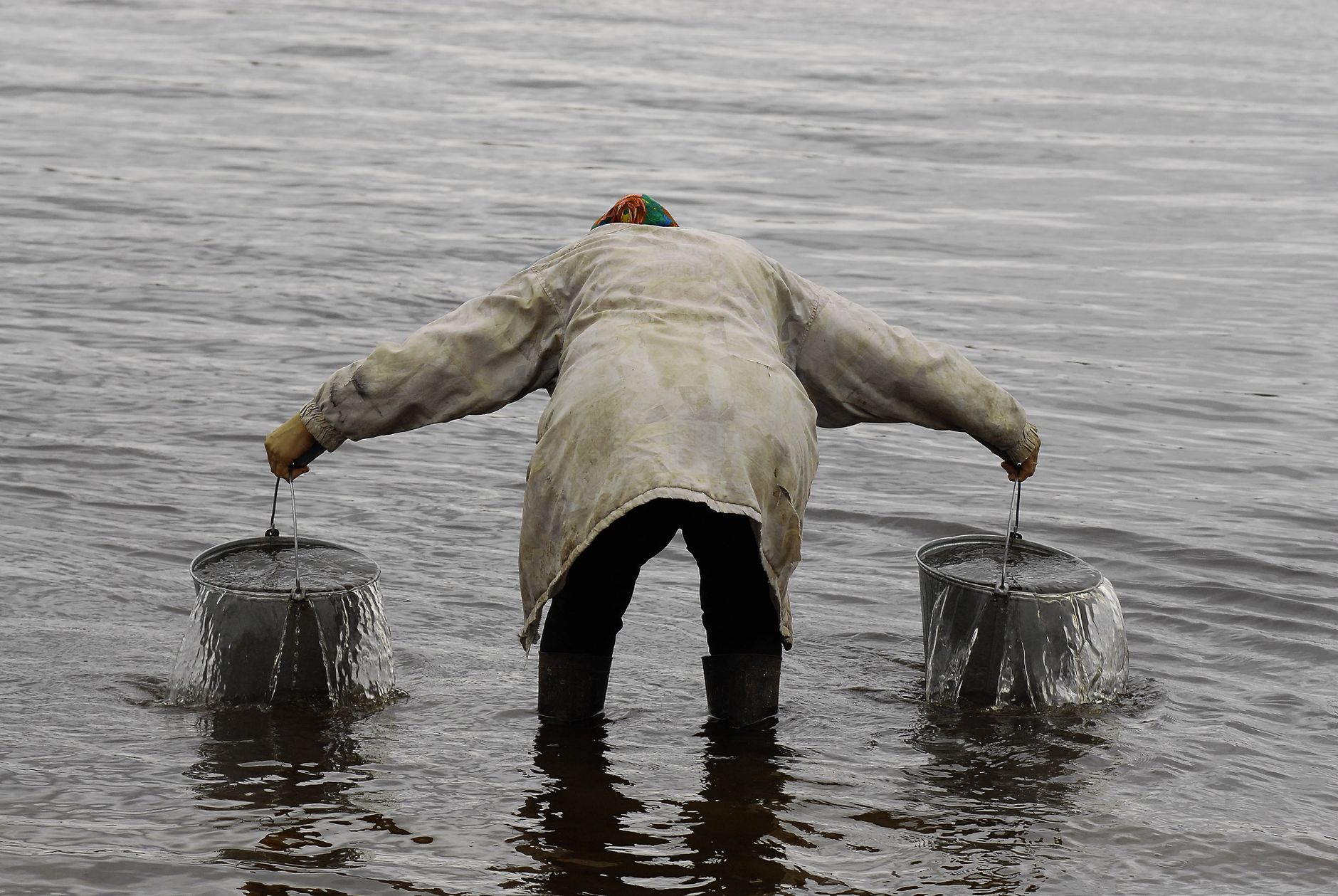
Streams, rivers, and creeks are the most obvious sources, but you must prioritize moving water over stagnant pools. Fast-flowing water has less time to accumulate pathogens and tends to have lower bacterial loads. Seek out high-altitude streams first; the colder the water, the slower the microbial growth. Springs and seeps are even better because they emerge from underground aquifers that naturally filter out many contaminants. You can identify a spring by a lush patch of green vegetation in an otherwise dry area or by small trickles of water from rock faces. If you are without a spring, turn your attention to lakes and ponds. Look for inlets and outlets where water moves. Avoid water near beaver dams or dead animals, as Giardia cysts are commonly spread by beavers. Rainwater is another highly underrated resource. In many environments, collecting rain with a clean tarp or poncho bypasses surface contamination entirely. For more on setting up temporary collection systems, see our rainwater harvesting guide.
How Can You Use Landscape and Wildlife Signs to Locate Water?
In arid or forested terrain where water is not visible, you must become a tracker. The landscape itself tells a story. Look for lush, dark green vegetation that towers above the surroundings; cottonwood, willow, and sycamore trees often signal groundwater near the surface. Converging animal trails frequently lead to water sources. Watch for birds at dawn and dusk, when they fly low and in straight lines toward water. Insect swarms, especially bees and mosquitoes, indicate moisture nearby. Flies are almost never far from water. In dry creek beds, dig at the outside bends or in shaded depressions where the water table may be high. A seep will appear as damp soil or a line of greener plants running down a hillside. Carefully excavate a small pit and wait for water to fill the cavity. If you are in a rocky area, look for stains of mineral deposits or moss, which need constant moisture. For a long-term off-grid strategy beyond short-term survival, explore our off-grid water systems overview.
What Are the Risks of Drinking Untreated Wilderness Water?
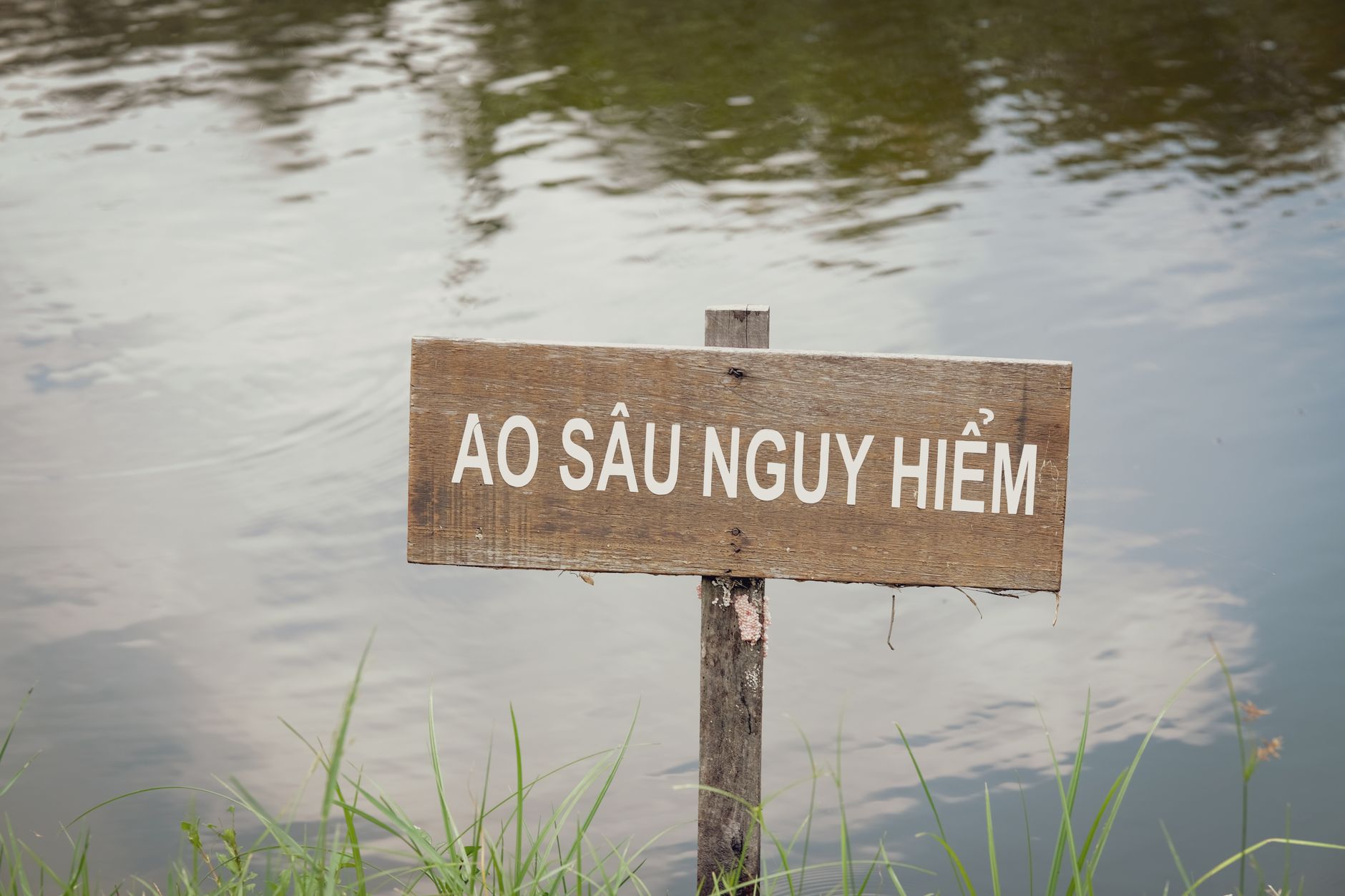
Even the most pristine-looking mountain stream can be a cocktail of pathogens. According to the Environmental Protection Agency (EPA), surface water in the U.S. frequently exceeds safe levels for bacteria and protozoa like Giardia lamblia and Cryptosporidium parvum. These microbes cause severe gastrointestinal distress, leading to vomiting and diarrhea that accelerate dehydration , a deadly spiral in a survival scenario. The CDC highlights that Giardia alone is one of the most common waterborne parasites, with over 1 million cases annually in the United States. In a wilderness setting, chemical contaminants from mining runoff or agricultural pesticides can also be present in lower concentrations. A 2020 study by the Wilderness Medical Society found that 58% of backcountry water samples in popular hiking areas contained coliform bacteria, a marker for fecal contamination. Heavy metals like lead or arsenic may leach from natural rock formations. Therefore, drinking untreated water is gambling with your health. Always assume all surface water is contaminated. The EPA’s ground water and drinking water standards set maximum contaminant levels that untreated wilderness water almost certainly violates. To make water safe, you must employ reliable purification. The CDC recommends boiling as the most effective method; refer to their drinking water safety guidelines for up-to-date protocols.
How Do You Purify Water in the Wilderness Without Modern Gear?
When you have no filter or tablets, simple boiling reigns supreme. The World Health Organization (WHO) confirms that bringing water to a rolling boil for at least 1 minute kills all bacteria, viruses, and protozoan cysts. At altitudes above 6,500 feet, extend the boiling time to 3 minutes because water boils at a lower temperature. If you lack a metal container, you can use a rock boiling technique: heat clean rocks in a fire and drop them into a container made of bark, a hollow log, or even a plastic bottle. This transfers enough heat to bring water to a boil. Solar disinfection, or SODIS, is another low-tech method: fill clear PET plastic bottles with water and leave them in direct sunlight for 6 hours on a sunny day, or up to two days if cloudy. The combination of UV radiation and heat neutralizes most pathogens, but it does not remove chemical pollutants. You can also improvise a filter using layers of sand, charcoal, and cloth to reduce sediment and some microbes before boiling. However, homemade filters do not meet EPA standards for safe drinking water; they are a pre-treatment step at best. For a complete breakdown of methods and their scientific underpinnings, read our detailed water purification methods guide. If you want to be prepared with modern compact devices, also check out our pick of the best emergency water filters.
What Are the Best Portable Water Filters and Purification Systems for Outdoor Survival?
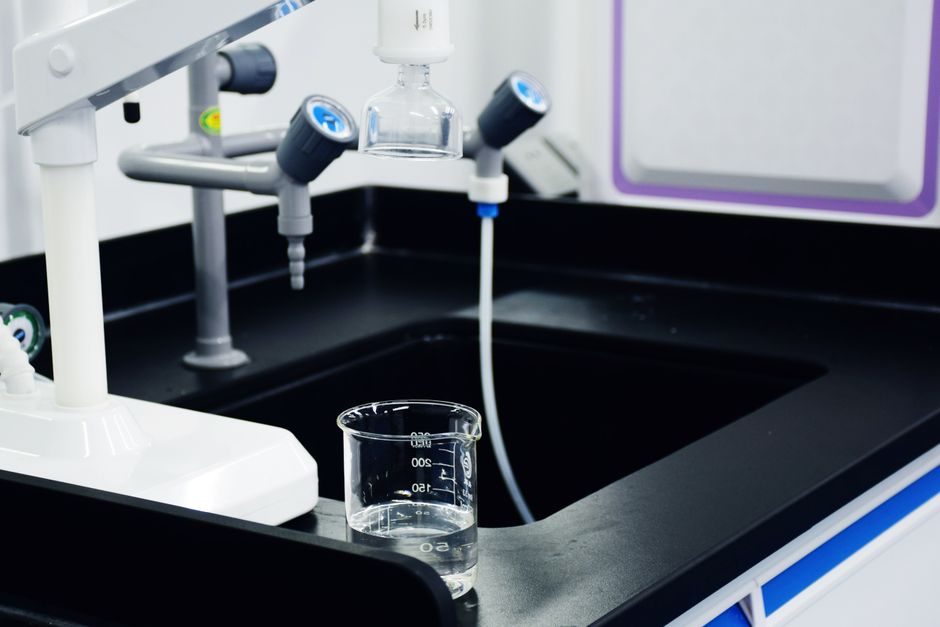
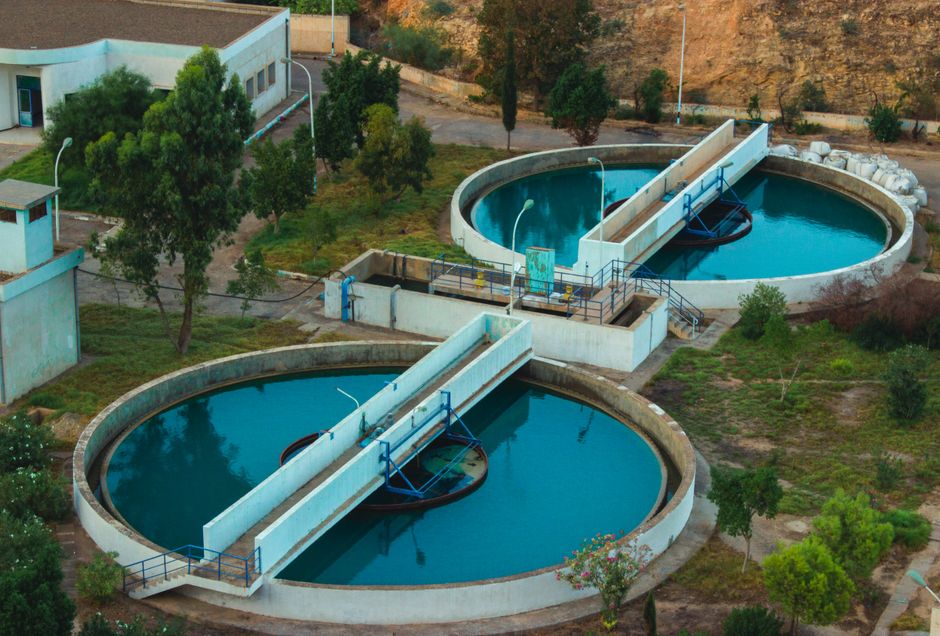
Modern portable filters take the guesswork out of backcountry hydration. A filter with a pore size of 0.1 to 0.2 microns physically removes bacteria like E. coli and protozoa like Giardia and Cryptosporidium. Some advanced filters also incorporate an electrostatic charge to trap even smaller particles, including viruses. Pump filters, gravity bags, and squeeze bottles each offer a different balance of speed, weight, and convenience. For solo trips, a squeeze filter allows you to drink directly from a source or fill a bottle in seconds. For groups, a gravity system can filter several liters while you attend to other tasks. Ultraviolet (UV) light purifiers such as a SteriPen are extremely light and eliminate all pathogens but require clear water and batteries. Remember that no portable filter alone removes dissolved chemicals or salty minerals. In areas where you suspect heavy metals or agricultural chemicals, combine physical filtration with activated carbon stages. After purifying, safe storage is critical to avoid recontamination. Use dedicated, clean water storage containers. To select the right gear, browse our curated list of the best portable water filters that balance weight and performance. Always carry a backup method: a few purification tablets weight nothing and can save your life if your filter breaks.
Frequently Asked Questions
Can I drink directly from a fast-flowing stream?
No. Even fast-flowing water can harbor pathogens like Giardia and Cryptosporidium that are invisible to the naked eye. Always purify before drinking.
How do I find water in a desert?
Look for green vegetation, especially cottonwood or willow trees, which indicate groundwater near the surface. Dig at the base of dunes or in dry creek bends. Collect morning dew with a cloth and wring it out.
Is boiling water enough to make it completely safe?
Boiling for at least 1 minute (3 minutes at high altitudes) kills all harmful microorganisms, but it does not remove chemical pollutants, heavy metals, or sediment. Use clean water sources and, if necessary, pre-filter through cloth.
What is the most lightweight water purification method for backpacking?
Chemical tablets such as iodine or chlorine dioxide are ultralight and effective against most bacteria and viruses, though they require waiting time and may not kill Cryptosporidium reliably. A small squeeze filter weighs only a few ounces and provides immediate results.
How long can I store water after purifying it in the wilderness?
Purified water stored in a clean, sealed container can remain safe for several days if kept cool and out of direct sunlight. To prevent recontamination, treat it again if it sits for more than 24-48 hours in warm conditions.
What should I do if I have no equipment at all?
Seek out a spring or collect rainwater if possible. If you must use surface water, use the SODIS method with a clear plastic bottle, or boil water in a makeshift container using heated rocks. The key is to avoid drinking untreated water for as long as possible until you can create an ad-hoc purification system.
What Should You Remember?
-
- Put water first the moment you realize you are lost or stranded; dehydration accelerates every other threat.
-
- Read the terrain by following lush vegetation, converging animal trails, and low-flying birds at dawn and dusk.
-
- Never skip purification, even crystal-clear streams carry invisible pathogens that can incapacitate you.
-
- Carry at least two purification methods, such as a portable filter and backup tablets, to cover equipment failure.
-
- Collect rainwater or dew whenever possible, as these sources have minimal ground contamination.
-
- Know your water needs: plan for 2-3 liters per day in moderate conditions and up to 1 liter per hour during extreme heat.
-
- Store purified water safely in dedicated, clean containers to avoid recontamination.
This article is for general information only. Water purification and storage carry health and safety risks — always follow local regulations and manufacturer guidance.